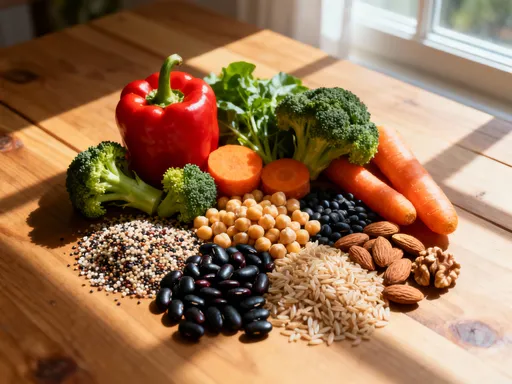
From Plants to Power: How I Upgraded My Health with Smart Vegan Eating
Ever feel like you're eating healthy but still dragging through the day? I switched to a plant-based diet not for trends, but for real energy, clearer skin, and better digestion. It wasn’t overnight magic—just small, science-backed changes. This is what actually worked for me, no hype, just honest insights from living it. For years, I thought I was doing everything right: low-fat meals, lean proteins, plenty of salads. Yet I was tired by 3 p.m., bloated after most meals, and my skin was dull no matter what creams I used. It wasn’t until a routine checkup revealed borderline cholesterol and low iron levels that I realized something had to change. That moment became the beginning of a new relationship with food—one rooted not in restriction, but in renewal.
The Wake-Up Call: Why I Reconsidered My Plate
My journey began not with a dramatic illness, but with quiet signals my body had been sending for years. I was in my early 40s, juggling work, family, and household responsibilities, and I assumed fatigue was just part of the package. I ate what I believed was a balanced diet: skinless chicken, brown rice, steamed vegetables, low-fat yogurt. Yet I often felt sluggish, experienced bloating after meals, and struggled with midday crashes that made it hard to stay focused. I wasn’t overweight, but I didn’t feel vibrant. My clothes fit fine, but my energy did not.
The turning point came during a routine physical. My doctor reviewed my blood work and pointed out mildly elevated LDL cholesterol and low ferritin levels—signs of iron deficiency. She didn’t prescribe medication immediately. Instead, she asked about my diet. When I listed my meals, she gently suggested that what I considered 'healthy' might not be serving me as well as I thought. She explained that while animal proteins can be nutritious, overreliance on them—especially when paired with refined grains and low fiber—can contribute to inflammation and metabolic imbalance. She recommended I explore a whole-food, plant-based approach, not as a fad, but as a sustainable way to support long-term health.
This conversation challenged everything I thought I knew about nutrition. I associated veganism with extreme diets, bland food, and protein deficiency. I worried I’d be hungry all the time or lose strength. But my doctor clarified an important distinction: being vegan for ethical reasons is different from eating a plant-based diet for health. The latter isn’t about perfection or labels—it’s about prioritizing whole, minimally processed plant foods while reducing reliance on animal products and refined ingredients. It’s not about cutting out food groups arbitrarily, but about adding more nutrient-dense options that support energy, digestion, and overall well-being.
That shift in mindset was crucial. I stopped seeing this as a 'diet' and started viewing it as a lifestyle upgrade. I wasn’t giving up flavor or satisfaction—I was redefining what satisfaction meant. Instead of measuring success by weight loss, I began to focus on how I felt: Was I more alert? Did my digestion improve? Was I sleeping better? These became my new metrics. The goal wasn’t to follow a rigid set of rules, but to listen to my body and make choices that honored its needs.
What Plant-Powered Really Means (And What It Doesn’t)
One of the biggest misconceptions about plant-based eating is that it’s inherently healthy simply because it’s vegan. The truth is more nuanced. A diet of french fries, soda, and vegan cookies is technically plant-based—but it won’t deliver the benefits most people seek. What matters is the quality of the plants you choose. A whole-food, plant-based approach emphasizes vegetables, fruits, legumes, whole grains, nuts, and seeds in their natural, unprocessed forms. It minimizes added sugars, refined flours, and highly processed meat substitutes that often contain excess sodium and preservatives.
This distinction is critical. When people say they tried a vegan diet and didn’t feel better, it’s often because they replaced animal products with processed alternatives rather than whole foods. True plant-powered eating isn’t about swapping a burger for a frozen vegan patty every day. It’s about building meals around beans, lentils, quinoa, sweet potatoes, leafy greens, and other nutrient-rich staples. These foods provide complex carbohydrates, fiber, antioxidants, and phytonutrients—compounds that work together to support cellular health and reduce oxidative stress.
Another common myth is that plant-based diets lack sufficient protein. In reality, many plant foods are rich in protein. Lentils, chickpeas, black beans, tofu, tempeh, edamame, quinoa, and even vegetables like broccoli and spinach contribute meaningful amounts. The key is variety. By eating a diverse range of plant foods throughout the day, most people easily meet their protein needs without supplementation. The idea that you need meat to stay strong is outdated. Athletes, from endurance runners to strength trainers, thrive on plant-based diets when they plan meals thoughtfully.
Equally important is understanding which nutrients require extra attention. Vitamin B12, for example, is not naturally found in plant foods and must be obtained through fortified foods or supplements. Iron from plants (non-heme iron) is less readily absorbed than iron from animal sources, but its absorption can be enhanced by consuming it with vitamin C-rich foods like bell peppers, citrus, or tomatoes. Omega-3 fatty acids, essential for brain and heart health, are available from flaxseeds, chia seeds, walnuts, and algae-based supplements. Calcium can be sourced from fortified plant milks, tofu made with calcium sulfate, and leafy greens like kale and bok choy.
Perhaps the most liberating realization was that this way of eating doesn’t demand perfection. I learned that progress, not purity, is what counts. If I occasionally eat a dish with cheese or eggs, it doesn’t undo the benefits of a mostly plant-forward diet. The goal is consistency over time, not flawless execution every single day. This mindset shift reduced guilt and made the transition sustainable. It’s not about being 100% all the time—it’s about making better choices more often.
Science Behind the Shift: What Research Actually Says
The decision to adopt a plant-based diet wasn’t based on anecdotes alone. A growing body of scientific evidence supports its role in promoting long-term health. Large-scale studies, including those from the Adventist Health Studies and the Nurses’ Health Study, have consistently shown that people who consume more plant foods and fewer animal products tend to have lower rates of heart disease, type 2 diabetes, and certain cancers. These findings are not coincidental—they reflect the powerful impact of diet on physiological processes.
One of the most well-documented benefits is reduced inflammation. Chronic inflammation is linked to numerous health conditions, including arthritis, heart disease, and cognitive decline. Plant foods are rich in antioxidants and polyphenols—natural compounds that help neutralize free radicals and calm inflammatory pathways. Berries, dark leafy greens, turmeric, and green tea are just a few examples of anti-inflammatory powerhouses. By centering meals around these foods, it’s possible to create an internal environment that supports healing and resilience.
Heart health is another area where plant-based diets shine. Research published in the Journal of the American Heart Association has shown that individuals following plant-predominant diets have significantly lower LDL cholesterol and blood pressure levels. The high fiber content of whole grains, legumes, and vegetables helps bind cholesterol in the digestive tract and remove it from the body. Additionally, replacing saturated fats from animal products with unsaturated fats from avocados, nuts, and seeds further supports cardiovascular function.
Diabetes prevention and management are also strongly influenced by diet. A study in the journal Nutrients found that plant-based diets improve insulin sensitivity and reduce HbA1c levels—the marker used to assess long-term blood sugar control. The fiber in plant foods slows glucose absorption, preventing the spikes and crashes that contribute to insulin resistance. This doesn’t mean medication is unnecessary for everyone, but it does mean that food can be a powerful tool in managing metabolic health.
Gut health is increasingly recognized as central to overall well-being. The trillions of microbes in the digestive tract thrive on dietary fiber, which is exclusively found in plant foods. A diverse microbiome is associated with better immune function, improved mood regulation, and even healthier skin. When I increased my intake of beans, vegetables, and whole grains, I noticed a significant improvement in digestion—less bloating, more regularity, and a general sense of ease after meals.
It’s important to note that a plant-based diet is not a cure-all. It won’t reverse advanced disease on its own, nor does it eliminate the need for medical care when necessary. Genetics, stress, sleep, and physical activity all play critical roles in health. However, what the evidence clearly shows is that eating more whole plant foods is one of the most effective preventive strategies available. It’s not about chasing quick fixes, but about building a foundation for lifelong vitality.
My First 30 Days: Real Changes I Felt (Not Just Weight)
The first month of eating this way was both challenging and revealing. I didn’t lose a dramatic amount of weight—only about three pounds—but the non-scale victories were profound. By day 10, my digestion had noticeably improved. The bloating that used to plague me after lunch disappeared. I no longer felt heavy or sluggish after meals. This was one of the earliest and most welcome changes.
By week two, my energy levels began to stabilize. I had always relied on coffee to push through the afternoon slump, but now I found I didn’t need a second cup. Meals that included a balance of legumes, whole grains, and vegetables kept my blood sugar steady, preventing the crashes that used to derail my productivity. I realized how much my previous diet—high in refined carbs and low in fiber—had contributed to these fluctuations.
Week three brought even more surprising benefits. My skin, which had been prone to occasional breakouts and dryness, began to look clearer and more radiant. Friends commented that I looked 'rested,' even though my schedule hadn’t changed. I also noticed a reduction in seasonal allergy symptoms—fewer sneezing fits and less nasal congestion. While these effects may vary from person to person, they aligned with research suggesting that anti-inflammatory diets can support immune balance and reduce allergic responses.
Perhaps the most unexpected shift was emotional. I didn’t expect a change in diet to affect my mood, but I felt lighter—not just physically, but mentally. The constant background noise of fatigue and discomfort had faded. I felt more present with my family, more engaged at work, and more capable of handling daily stressors. This wasn’t due to any single 'superfood' or supplement. It was the cumulative effect of nourishing my body with real, whole foods that provided sustained energy and supported cellular function.
Building a Balanced Plate: My Go-To Framework (No Measuring Needed)
One of the most practical tools I developed was a simple plate framework that made meal planning intuitive. I call it the 5-component plate: legumes, whole grains, colorful vegetables, healthy fats, and herbs or spices. I don’t weigh or measure portions—I simply aim to include something from each category in every main meal. This ensures a balance of macronutrients and micronutrients without the stress of counting calories or macros.
Legumes are my primary source of plant protein and fiber. I rotate between lentils, chickpeas, black beans, and edamame depending on the meal. A hearty lentil bolognese over whole wheat pasta, a chickpea and roasted vegetable stew, or a black bean taco bowl with brown rice are staples in my rotation. These meals are satisfying and keep me full for hours.
Whole grains provide sustained energy. I choose minimally processed options like quinoa, farro, brown rice, oats, and barley. Unlike refined grains, which spike blood sugar, these grains digest slowly and support stable energy levels. I often cook a big batch on Sunday and use it throughout the week in bowls, salads, or as a side.
Colorful vegetables take up the largest portion of my plate. I aim for variety—dark greens, red peppers, carrots, beets, mushrooms, zucchini—because different colors indicate different phytonutrients. Steaming, roasting, or sautéing with a little olive oil enhances both flavor and nutrient absorption.
Healthy fats are essential for hormone balance and satiety. I include avocado, nuts, seeds, and olive oil daily. A handful of almonds as a snack, chia seeds sprinkled on oatmeal, or a drizzle of flaxseed oil on a salad adds richness without heaviness.
Finally, herbs and spices bring flavor and additional health benefits. Turmeric, garlic, ginger, cilantro, and basil aren’t just tasty—they have anti-inflammatory and antimicrobial properties. Seasoning generously means I never feel like I’m eating bland 'diet' food.
To save time, I batch-cook two main components each weekend: one legume-based dish and one grain. I roast a large tray of mixed vegetables and prepare a big salad with leafy greens, cucumbers, and tomatoes. With these elements ready, I can assemble a complete meal in minutes. This system prevents decision fatigue and reduces the temptation to order takeout on busy evenings.
Avoiding the Pitfalls: What No One Talks About
One of the biggest challenges of plant-based eating is the abundance of processed vegan alternatives. While convenient, many mock meats, dairy-free cheeses, and vegan desserts are highly processed and loaded with sodium, sugar, and preservatives. I learned the hard way that replacing animal products with these items doesn’t guarantee better health. I once ate a vegan 'chicken' sandwich that had more sodium than a fast-food burger. It’s easy to fall into the trap of thinking 'vegan = healthy,' but labels matter. I now read ingredient lists carefully and prioritize whole foods over packaged substitutes.
Social situations can also be tricky. Dining out with friends or attending family gatherings often means limited plant-based options. My strategy is to eat a small, balanced snack before going out so I’m not overly hungry, and to review menus in advance when possible. Most restaurants now offer at least one plant-forward dish, and many are willing to modify meals upon request. I’ve found that bringing a dish to share—like a lentil salad or roasted vegetable platter—ensures there’s something I can enjoy without drawing attention to my choices.
Traveling requires extra planning. I pack nuts, fruit, and whole grain bars to avoid being stranded with only processed options. I research restaurants at my destination and look for places with vegetarian or vegan menus. Staying hydrated is also key—dehydration can mimic hunger and lead to poor food choices. I always carry a reusable water bottle and refill it regularly.
Finally, I’ve accepted that supplements have a role. I take a daily B12 supplement, as recommended by health professionals for anyone following a plant-based diet. I also get my vitamin D levels checked annually and supplement if needed, especially during winter months. Omega-3s from an algae-based supplement help fill the gap that flax and chia alone may not fully meet. These small steps ensure I’m covering nutritional bases without overcomplicating my routine.
Making It Last: From Trend to Lifestyle
The difference between a short-term diet and a lasting lifestyle is consistency, not intensity. I’ve learned that small, sustainable habits are more effective than extreme changes that burn out quickly. Instead of overhauling everything at once, I focused on one change at a time: first, adding more vegetables; then, replacing one animal-based meal per day with a plant-based alternative; later, reducing processed foods. Each step built confidence and made the next one easier.
Listening to my body has been essential. There are days when I need more protein, so I add an extra serving of lentils or tofu. If I’m feeling low energy, I check whether I’ve been getting enough complex carbs or hydration. This intuitive approach keeps me in tune with my needs rather than following rigid rules.
Involving my family has also been key to long-term success. I don’t pressure anyone to eat exactly as I do, but I make meals that are naturally inclusive—colorful, flavorful, and satisfying for everyone. My children enjoy chickpea tacos, vegetable stir-fries, and fruit-based desserts just as much as traditional dishes. When food is delicious and shared, it becomes a source of connection, not conflict.
This way of eating isn’t about restriction. It’s about upgrading how I feel every day. It’s about choosing foods that energize rather than deplete, that support rather than sabotage. It’s not a one-size-fits-all solution, but a personal journey guided by science, experience, and self-awareness.
A Healthier You Starts on Your Plate
The benefits of a whole-food, plant-based diet are supported by decades of research and real-life experience. From improved digestion and steady energy to clearer skin and better heart health, the rewards extend far beyond the scale. This approach is not about perfection, but about making better choices more often. It’s about shifting from processed convenience to real nourishment, from fatigue to vitality.
Everyone’s journey is different. Some may embrace this way of eating fully, while others may simply add more plant foods to their current routine. What matters is progress, not purity. Start with one meal a day, add a serving of vegetables, swap refined grains for whole ones. Small steps lead to lasting change.
Stay curious. Experiment with new ingredients, try different cuisines, and notice how your body responds. And always consult a healthcare provider before making significant dietary changes, especially if you have underlying health conditions or take medications. Nutrition is powerful, but it works best when integrated with professional guidance.
In the end, food is more than fuel. It’s a daily opportunity to care for yourself, to honor your body, and to invest in long-term well-being. A healthier you truly starts on your plate—one mindful, plant-powered bite at a time.