How I Fixed My Constipation for Good — A Real System That Actually Works
Constipation affects millions, yet it’s often overlooked or poorly managed. I struggled for years—bloating, discomfort, low energy—until I discovered a simple, science-backed system. It’s not about quick fixes, but real, lasting changes. This is what finally worked for me: a step-by-step approach rooted in gut health, hydration, movement, and routine. No magic pills, just honest, practical knowledge you can start today.
The Hidden Struggle: Understanding Chronic Constipation
Constipation is more than just infrequent bathroom visits. For many, it means hard, lumpy stools that are painful or difficult to pass. Some feel incomplete after going, while others experience bloating, abdominal pressure, or a persistent sense of fullness. According to general medical guidelines, having fewer than three bowel movements per week is often considered constipation, especially when paired with discomfort. Yet many women—particularly those in their 30s to 50s—live with this quietly, dismissing it as normal or just part of aging.
This silence comes at a cost. The physical discomfort can drain energy and affect mood. A day that starts with bloating and sluggishness often spirals into irritability and fatigue. Simple pleasures like wearing favorite clothes or enjoying a meal become sources of anxiety. The impact isn’t just physical—it’s emotional. Many women report feeling disconnected from their bodies, as if their digestive system is working against them. This struggle is surprisingly common. Studies suggest that up to one in five adults experience chronic constipation, with women being disproportionately affected due to hormonal fluctuations, lifestyle demands, and sometimes, underreported pelvic floor challenges.
Despite its prevalence, constipation is rarely discussed openly. It’s easy to feel isolated, as though you’re the only one dealing with this. But the reality is that millions are navigating the same cycle of discomfort and frustration. The good news? It doesn’t have to be permanent. Understanding what constipation truly is—the frequency, the sensations, the hidden toll—is the first step toward change. It’s not a personal failing or an inevitable part of life. It’s a signal from your body, asking for attention and care.
Why Your Gut Is Begging for Attention
The digestive system is a finely tuned network, and the colon plays a starring role in bowel regularity. As food moves through the intestines, nutrients are absorbed, and what remains gradually forms stool. The colon’s muscles contract in rhythmic waves, a process known as peristalsis, to move waste toward elimination. When this process slows, water is reabsorbed excessively, leading to harder, drier stools that are difficult to pass. This slowdown can stem from various factors, but one of the most influential is the balance of microorganisms in the gut—the gut microbiome.
The gut microbiome refers to the trillions of bacteria living in the digestive tract. These microbes are not just passive residents; they actively support digestion, immune function, and even mood regulation. A balanced microbiome helps maintain healthy bowel movements by producing substances that nourish the colon lining and stimulate motility. However, modern lifestyles often disrupt this balance. Diets high in processed foods, low in fiber, and rich in added sugars can shift the microbiome toward less beneficial strains. This imbalance may contribute to sluggish digestion and increased constipation risk.
Additionally, the gut communicates with the brain through the gut-brain axis, meaning stress and emotional well-being can influence bowel function. Many women notice changes in digestion during busy or emotionally taxing periods. While the exact mechanisms are complex, the connection is real: when the body is under stress, digestion can slow down. This doesn’t mean constipation is “all in your head,” but rather that the body’s systems are deeply interconnected. Supporting gut health isn’t about chasing exotic remedies—it’s about creating conditions where natural processes can thrive.
Hydration: The Forgotten Key to Smooth Digestion
Water is essential for nearly every bodily function, and digestion is no exception. In the colon, water helps keep stool soft and easy to pass. Without adequate hydration, the body pulls more water from waste, resulting in hard, compacted stools. Think of the colon like a sponge: when it’s well hydrated, it remains pliable and efficient. But when dehydrated, it becomes stiff and less effective at moving contents along. This simple analogy explains why even mild dehydration can contribute to constipation.
Yet many people don’t realize they’re under-hydrated. Thirst isn’t always a reliable signal, especially as we age. Some mistake other beverages—like coffee, tea, or soda—for sufficient hydration. While these drinks do contain water, their effects vary. Caffeinated beverages can have a mild diuretic effect, potentially increasing fluid loss. Sugary drinks add calories without providing the clean hydration the body needs. The best choice is plain water, which supports digestion without added stress on the system.
So how much water is enough? General recommendations suggest around eight 8-ounce glasses per day, but individual needs vary based on activity level, climate, and body size. A more personalized approach is to monitor urine color: pale yellow usually indicates good hydration, while darker shades suggest the need for more fluids. Instead of making drastic changes, try adding one extra glass of water at a time—perhaps with breakfast, or mid-morning. Carry a reusable bottle as a reminder. Over time, consistent hydration becomes a quiet but powerful ally in maintaining regularity.
Fiber Done Right: Not All Types Are Equal
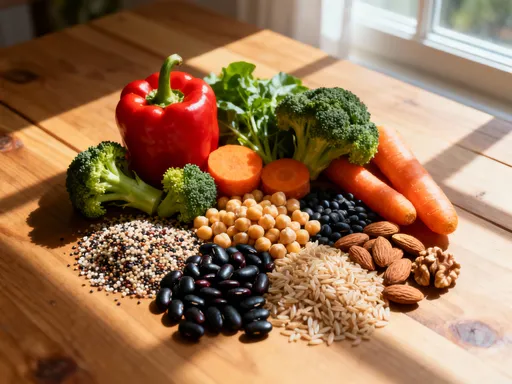
Fiber is a cornerstone of digestive health, but not all fiber works the same way. There are two main types: soluble and insoluble. Soluble fiber dissolves in water, forming a gel-like substance that softens stool and helps it move smoothly through the intestines. It’s found in foods like oats, apples, beans, and citrus fruits. Insoluble fiber, on the other hand, does not dissolve. It adds bulk to stool and helps it pass more quickly, acting like a natural broom for the digestive tract. Good sources include whole grains, leafy greens, and the skins of fruits and vegetables.
Both types are important, and most plant-based foods contain a mix. The key is to include a variety throughout the day. A breakfast of oatmeal with sliced banana offers soluble fiber, while a lunch salad with spinach, chickpeas, and whole grain bread provides both types. Snacking on an apple with the skin on or adding lentils to soups are simple ways to boost intake. These whole food sources are preferable to processed or fortified products, which may contain added sugars or artificial ingredients.
However, increasing fiber too quickly can backfire. The digestive system needs time to adjust. A sudden spike in fiber intake can lead to gas, bloating, and even worsened constipation if not paired with enough water. The best approach is gradual. Start by adding one high-fiber food per day and observe how your body responds. Drink more water as you increase fiber to help it move through the system. Over weeks, your gut will adapt, and the benefits—more regular, comfortable bowel movements—will become noticeable. This isn’t about perfection; it’s about consistent, gentle progress.
Move Your Body, Move Your Bowels
Physical activity is one of the most underrated tools for digestive health. Movement stimulates the muscles of the intestines, encouraging peristalsis—the natural contractions that push waste forward. Even gentle exercise can make a difference. Walking, for example, uses the body’s core and abdominal muscles in a rhythmic way that gently massages the digestive organs. This subtle pressure helps keep things moving, especially after meals when digestion is most active.
For women with busy schedules—juggling work, family, and household responsibilities—finding time to exercise can feel overwhelming. But the good news is that intense workouts aren’t necessary. A 10- to 15-minute walk after dinner can be enough to support digestion. Morning stretches, light yoga, or even standing up and moving around every hour if you sit at a desk can contribute to better bowel function. The goal isn’t to burn calories or lose weight, but to honor your body’s need for motion.
Think of movement as a form of self-respect. When you move, you’re not punishing yourself—you’re supporting your internal systems. Many women report that simply making a habit of daily walking leads to more predictable bowel movements. The rhythm of walking, combined with deep breathing, may also help reduce stress, which in turn supports gut function. Over time, this small habit can become a cornerstone of digestive wellness. It’s not about pushing harder; it’s about moving consistently, with kindness and awareness.
Routine Over Willpower: Training Your Body’s Clock
The body thrives on routine, and digestion is no exception. Just as we have natural sleep-wake cycles, we also have digestive rhythms tied to the time of day. This is why many people find they have the strongest urge to go in the morning, especially after eating. This natural response, often linked to the gastrocolic reflex, means that eating a meal—particularly breakfast—can trigger intestinal activity. By aligning with this rhythm, you can train your body to expect and support regular bowel movements.
Start by setting consistent times for meals and bathroom visits. Try sitting on the toilet at the same time each day, even if you don’t feel an immediate urge. Over time, this habit can help your body learn when to expect elimination. Creating a comfortable, distraction-free bathroom environment also helps—allow enough time, keep your feet supported (a small stool can help), and avoid rushing. This isn’t about forcing results; it’s about giving your body the space and signal it needs.
Meal timing matters too. Eating at regular intervals helps regulate digestive enzymes and muscle activity. Skipping meals or eating at erratic times can confuse the system, leading to irregularity. A balanced breakfast with fiber and protein—like oatmeal with nuts and fruit—can kickstart digestion in a gentle, effective way. The key is consistency, not perfection. Some days will be busier than others, but aiming for a general rhythm makes a difference. Over weeks, your body begins to anticipate and respond, making regularity feel less like a struggle and more like a natural part of your day.
When to Seek Help: Knowing the Red Flags
While lifestyle changes can significantly improve constipation, there are times when professional guidance is essential. Certain symptoms should never be ignored. If you experience sudden changes in bowel habits—such as new or worsening constipation without an obvious cause—it’s wise to consult a healthcare provider. Blood in the stool, severe abdominal pain, unexplained weight loss, or persistent nausea are also red flags that warrant medical evaluation.
Some underlying conditions—such as irritable bowel syndrome (IBS), thyroid disorders, or pelvic floor dysfunction—can contribute to chronic constipation. These require proper diagnosis and treatment. Additionally, certain medications, including some pain relievers, antidepressants, and iron supplements, may affect bowel function. A doctor can review your health history, medications, and symptoms to determine if an underlying issue needs attention.
Seeking help is not a sign of failure. It’s an act of self-care. Many women feel embarrassed discussing bowel issues, but healthcare providers are trained to address these concerns with compassion and professionalism. Open conversations lead to better outcomes. If lifestyle changes aren’t enough, a doctor may recommend further testing, dietary adjustments, or safe, evidence-based treatments. The goal is not just symptom relief, but long-term digestive health. You don’t have to suffer in silence—support is available.
Conclusion
Improving constipation isn’t about drastic overhauls—it’s about building a supportive daily system. Small, consistent choices in hydration, food, movement, and routine create real change. This isn’t a cure, but a sustainable way to feel better from the inside out. Listening to your body, staying patient, and making gentle adjustments over time can lead to lasting relief. There’s no single solution that works for everyone, but the principles of gut health are universal: nourish with whole foods, drink enough water, move regularly, and honor your body’s natural rhythms. Better digestion starts with one simple step today—and every day after that, you’re one step closer to feeling like yourself again.