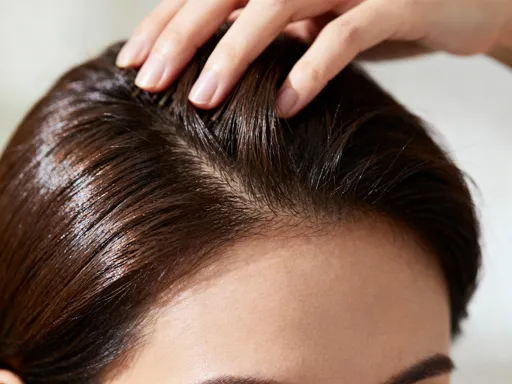
Hair Check: What Your Scalp Is Really Telling You
Hair isn’t just about looks—it’s a window into your overall health. Changes in texture, shine, or shedding can signal imbalances long before other symptoms appear. I started paying attention when my hair felt brittle and thinning, despite no major life changes. After tracking habits, diet, and scalp condition, I uncovered surprising links between daily choices and hair vitality. This isn’t about quick fixes, but understanding what your body is communicating—because healthy hair starts from within.
Why Hair Health Matters More Than You Think
Hair is more than a style statement; it’s a biological indicator of internal wellness. While many view hair changes as cosmetic, they often reflect deeper physiological shifts. The hair growth cycle consists of three phases: anagen (growth), catagen (transition), and telogen (resting). Normally, about 85–90% of hair follicles are in the anagen phase, actively growing for two to six years. The remaining follicles are in transition or rest, with most people shedding 50 to 100 strands daily—a natural part of the cycle. When shedding increases or hair texture alters significantly, it may signal disruption in this rhythm.
Such disruptions often stem from internal factors like nutrient deficiencies, hormonal fluctuations, or chronic stress. For example, low iron levels can shorten the anagen phase, leading to premature shedding. Similarly, elevated cortisol—the stress hormone—can push more follicles into the telogen phase, resulting in noticeable thinning months later. Thyroid imbalances, both hypo- and hyperthyroidism, are also linked to hair texture changes, such as dryness or brittleness. Because hair grows slowly, changes may take weeks or months to become visible, making it a delayed but reliable reflection of your body’s state.
Moreover, hair is composed primarily of keratin, a protein that requires consistent building blocks to maintain strength and elasticity. When the body is under stress or malnourished, it prioritizes vital organs over non-essential functions like hair growth. This means that hair often shows signs of imbalance before other symptoms emerge, acting as an early warning system. Recognizing this connection empowers individuals to take proactive steps—not just to improve appearance, but to support overall health. Hair health, therefore, should not be dismissed as superficial. It is a visible marker of what’s happening beneath the surface.
Common Signs Your Hair Is Sending a Signal
Your hair communicates through subtle but telling changes. Increased shedding, for instance, may go unnoticed at first, but finding more strands on your brush, pillow, or in the shower drain can indicate a shift. While some shedding is normal, a sudden or sustained increase—especially in clumps—may point to nutritional gaps, post-illness recovery, or emotional stress. Women in particular may notice this after childbirth, a phenomenon known as postpartum telogen effluvium, where hormonal shifts trigger temporary hair loss. Though typically self-limiting, it underscores how deeply physiology influences hair cycles.
Dryness and lack of shine are other common signals. When hair feels straw-like or tangles easily, it may reflect dehydration, lack of essential fatty acids, or overexposure to heat and chemicals. The outer layer of each hair strand, the cuticle, relies on natural oils to stay smooth and reflective. When the scalp produces less sebum or external factors strip it away, the cuticle becomes rough, leading to dullness and breakage. This is often worsened by frequent washing with harsh shampoos or using high-heat styling tools without protection.
Flakiness on the scalp can be mistaken for dandruff, but it may also indicate an imbalanced microbiome, sensitivity to products, or even early signs of skin conditions like seborrheic dermatitis. Persistent itching or redness should not be ignored, as it may suggest inflammation or infection. Thinning, particularly at the crown or part line, is another red flag. Unlike male-pattern baldness, which typically begins at the temples, female-pattern thinning tends to be diffuse and gradual. It can be linked to genetics, but also to iron deficiency, thyroid issues, or prolonged stress.
Slow growth is yet another clue. If your hair isn’t gaining length despite months of care, it may mean the anagen phase is shorter than optimal. This can result from poor circulation to the scalp, inadequate nutrition, or disrupted sleep patterns. Each of these signs—shedding, dryness, flakiness, thinning, slow growth—serves as a message. Rather than masking them with styling tricks, the wiser approach is to investigate the root cause. By doing so, you shift from reactive grooming to proactive health awareness.
The Daily Habits That Quietly Damage Your Hair
Many everyday routines, while seemingly harmless, can contribute to long-term hair damage. Heat styling tools like flat irons, curling wands, and blow dryers are common culprits. When used frequently at high temperatures, they weaken the hair’s protein structure, leading to moisture loss, split ends, and breakage. The damage is cumulative—each exposure slightly degrades the cuticle, making strands more vulnerable over time. Even with heat protectants, repeated styling can overwhelm the hair’s natural resilience, especially if the tools exceed 350°F (177°C).
Tight hairstyles, such as high ponytails, braids, or buns worn daily, exert constant tension on the hair follicles. This mechanical stress can lead to a condition called traction alopecia, where hair gradually thins along the hairline or part. It often starts subtly, with small bumps or tenderness, but over time can cause permanent follicle damage. Children and adults who regularly wear tight styles for cultural or professional reasons are particularly at risk. Looser alternatives, like low buns or loose braids, reduce strain while still keeping hair manageable.
Overwashing is another habit that can backfire. While cleanliness is important, washing too frequently—especially with sulfates—strips the scalp of its natural oils. These oils, or sebum, protect both scalp and hair by maintaining moisture and pH balance. When sebum is removed too often, the scalp may overcompensate by producing more oil, leading to a cycle of greasiness and repeated washing. For most people, washing every two to three days is sufficient. Those with dry or curly hair may benefit from even less frequent cleansing.
Harsh hair products also play a role. Chemical treatments like relaxers, bleaches, and permanent dyes alter the hair’s structure and can cause brittleness, especially when used repeatedly. Even some shampoos and conditioners contain alcohols or fragrances that irritate sensitive scalps. Switching to gentler, sulfate-free formulas can make a noticeable difference. Additionally, rough towel-drying or brushing wet hair—when it’s most fragile—can cause breakage. Using a microfiber towel and a wide-tooth comb minimizes damage. Small changes in routine can preserve hair integrity without sacrificing style or hygiene.
Nutrition: The Invisible Fuel for Stronger Hair
What you eat directly influences hair strength, growth, and appearance. Hair follicles are among the fastest-growing cells in the body, requiring a steady supply of nutrients to function optimally. Protein is foundational—keratin, the main structural component of hair, is made of amino acids. When dietary protein is insufficient, the body may divert it to more critical functions, slowing hair growth or increasing shedding. Including high-quality protein sources like eggs, poultry, fish, legumes, and Greek yogurt supports continuous follicle activity.
Iron is another critical nutrient, particularly for women. It helps red blood cells carry oxygen to tissues, including hair follicles. Iron deficiency, especially low ferritin (the stored form of iron), is strongly linked to hair loss. Symptoms may include fatigue and pale skin, but hair changes are often one of the first noticeable signs. Plant-based sources like spinach, lentils, and fortified cereals can help, especially when paired with vitamin C-rich foods like bell peppers or citrus to enhance absorption. However, if deficiency is suspected, a blood test is necessary before making dietary changes or considering supplementation.
Zinc plays a role in hair tissue growth and repair. It also supports the oil glands around follicles. Low zinc levels can lead to dryness, thinning, and even temporary shedding. Oysters are the richest source, but beef, pumpkin seeds, and chickpeas also provide meaningful amounts. Omega-3 fatty acids, found in fatty fish like salmon, flaxseeds, and walnuts, nourish the scalp and support natural oil production. Their anti-inflammatory properties may also protect follicles from damage.
Vitamin D is increasingly recognized for its role in hair cycling. Receptors for vitamin D are present in hair follicles, and deficiency has been associated with alopecia areata and other hair loss conditions. While sunlight is a primary source, fatty fish, fortified dairy, and mushrooms exposed to UV light can contribute. Vitamin B12, essential for red blood cell formation, is mainly found in animal products. Vegans and older adults may be at higher risk of deficiency, which can manifest as fatigue and hair changes. A balanced, varied diet that includes whole grains, colorful vegetables, lean proteins, and healthy fats provides the full spectrum of nutrients needed for vibrant hair.
Scalp Health = Foundation for Growth
The scalp is living skin, not just a base for hair. It houses thousands of follicles and requires the same care as facial skin—perhaps more, given its constant exposure to products and environmental factors. Healthy circulation is essential; blood flow delivers oxygen and nutrients to follicles, supporting growth. Poor circulation, often linked to sedentary lifestyles or tight hairstyles, can impair this process. Simple practices like scalp massage can enhance blood flow. Using the pads of the fingers in circular motions for a few minutes daily not only feels soothing but may stimulate follicle activity over time.
pH balance is another key factor. The scalp’s natural pH is slightly acidic, around 4.5 to 5.5, which helps protect against bacteria and fungi. Alkaline shampoos or hard water can disrupt this balance, leading to dryness or irritation. Using pH-balanced cleansers helps maintain a healthy environment. Additionally, the scalp has its own microbiome—a community of beneficial bacteria and fungi that keep harmful microbes in check. Overuse of antibacterial products or frequent changes in hair care can upset this delicate ecosystem, potentially leading to flakiness or inflammation.
Gentle exfoliation can remove buildup from products, sweat, and dead skin cells that may clog follicles. This doesn’t require harsh scrubs; a soft brush or a mild exfoliating treatment used once a week can be effective. Over-exfoliating, however, can irritate the scalp and worsen conditions like dandruff. Speaking of dandruff, it’s often misunderstood. While some flaking is normal, persistent white or yellowish flakes accompanied by itching may indicate seborrheic dermatitis, a common inflammatory condition. It’s not caused by poor hygiene but by a combination of oil production, yeast overgrowth, and immune response. Medicated shampoos with ingredients like pyrithione zinc or ketoconazole can help, but consistent use is key.
Oiliness is another concern, but it’s not always a sign of excess. Some people naturally produce more sebum, which can be genetic. Overwashing to combat oiliness often backfires, as it signals the scalp to produce even more. Instead, using lightweight, non-comedogenic products and blotting excess oil with a tissue can be more effective. Ultimately, treating the scalp as an extension of your skin care routine—cleansing, nourishing, and protecting—lays the groundwork for strong, resilient hair.
Tracking Progress: How to Assess Your Hair’s Response
Improving hair health is a gradual process, and tracking changes helps maintain motivation and identify what’s working. One of the most effective methods is taking regular photos. Stand in the same lighting, wear your hair the same way, and capture front, side, and back views every four to six weeks. Over time, these images can reveal subtle improvements in thickness, shine, or part width that may not be obvious day to day.
Monitoring shed count is another useful tool. While daily shedding varies, a consistent increase can signal a problem. Try the “pull test”: gently tug on about 60 strands from different areas of your scalp. If more than six hairs come out, it may indicate active shedding. Doing this once a week can help track trends. Keeping a hair journal adds context—note your diet, sleep quality, stress levels, and hair care routine. For example, you might notice more shedding after a week of poor sleep or during a stressful period at work.
Texture changes are also telling. Does your hair feel stronger? Less prone to breakage? Are new growths visible along the hairline? These signs suggest improved follicle health. Some women use a soft measuring tape to track ponytail circumference over time, though this should be done loosely to avoid tension. Patience is crucial—hair grows about half an inch per month, so visible changes take months, not weeks. Consistency in care routines, nutrition, and tracking allows small improvements to compound into lasting results. The goal is not perfection, but progress.
When to Seek Professional Insight
While many hair concerns can be addressed through lifestyle adjustments, some signs warrant professional evaluation. Sudden bald patches, especially if they appear overnight or in round shapes, may indicate alopecia areata, an autoimmune condition that requires medical diagnosis. Severe itching, burning, or pain on the scalp could signal infection, allergic reaction, or inflammatory skin disorders like psoriasis or lichen planopilaris. Crusting, oozing, or open sores are red flags that should not be ignored.
Excessive shedding lasting more than three to six months, particularly without an obvious trigger like illness or childbirth, may point to underlying conditions such as thyroid disease, polycystic ovary syndrome (PCOS), or chronic nutrient deficiencies. A healthcare provider can order blood tests to check iron, vitamin D, thyroid hormones, and other markers. A dermatologist specializing in hair disorders can perform a scalp examination, possibly using dermoscopy to assess follicle health at a microscopic level.
It’s important to remember that self-care and medical care are not mutually exclusive. Making healthy lifestyle changes supports overall well-being and can enhance treatment outcomes. However, delaying professional help in favor of home remedies alone can lead to missed diagnoses or irreversible damage. Early intervention often leads to better results. If you’re unsure whether your symptoms are within the normal range, a consultation provides clarity and peace of mind. Seeking help is not a sign of failure—it’s an act of self-respect.
Hair as a Health Mirror
Hair care, at its core, is an act of self-awareness. It invites you to listen to your body’s subtle cues and respond with care. Healthy hair isn’t defined by length, volume, or trendiness—it’s a reflection of balance, resilience, and inner well-being. The choices you make every day—what you eat, how you manage stress, the products you use—accumulate into the story your hair tells.
By reframing hair health as part of overall wellness, you shift from chasing quick fixes to building sustainable habits. Small, consistent actions—eating a balanced meal, massaging your scalp, protecting hair from heat—add up over time. These practices are not about achieving perfection, but about honoring your body’s needs. When you treat hair as a mirror of health, you cultivate a deeper relationship with yourself.
In a world that often prioritizes appearance over substance, paying attention to your hair’s signals is a quiet form of rebellion. It’s choosing depth over surface, understanding over assumption. And in that choice, you discover that true vitality isn’t found in a bottle or a salon chair—it’s grown from within, strand by strand, day by day.