What Makes Montevideo’s Hidden Corners So Unforgettable?
You know that feeling when a city surprises you? Montevideo did exactly that to me. Far from just Uruguay’s quiet capital, it’s alive with rhythm—street art humming on colonial walls, locals sipping mate by the beach, and sunsets over the Rio de la Plata that feel almost personal. This isn’t just a travel guide; it’s a real look at how small moments—like dancing to candombe or biting into a warm empanada—add up to something unforgettable. Let’s dive into what makes this coastal gem truly shine.
First Impressions: Stepping Into Montevideo’s Laid-Back Vibe
Arriving at Carrasco International Airport, one of South America’s most efficient and welcoming gateways, sets the tone for the Montevideo experience. The air carries a crisp, clean scent—hints of eucalyptus from the well-tended groves lining the access roads, mingled with the faint saltiness of the nearby Atlantic. Unlike the bustling chaos of larger capitals, Montevideo greets visitors with calm. The airport staff speak clear Spanish with a soft, melodic intonation, and the customs process is smooth, rarely exceeding ten minutes. Within half an hour, you can be on a comfortable shuttle or rental car heading into the city, already sensing the unique balance this place strikes between order and warmth.
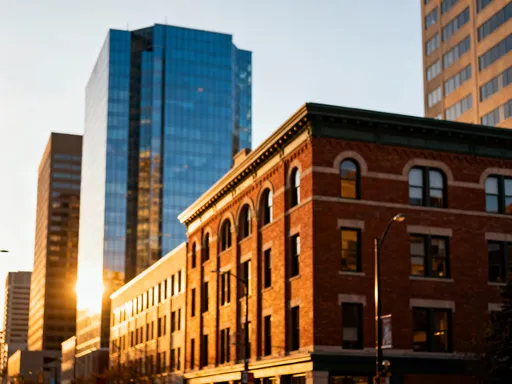
As you enter the city, the blend of old and new becomes immediately apparent. Tree-lined avenues like Avenida 18 de Julio stretch inland from the port, flanked by early 20th-century buildings with French and Spanish influences—ornate balconies, pastel facades, and wrought-iron details. Yet, there’s no sense of stiffness. Music drifts from open windows, dogs stroll on leashes beside retirees, and cyclists move freely along dedicated lanes. Neighborhoods like Pocitos, with its high-rise apartments and golden beach, contrast with the historic charm of Ciudad Vieja, where cobblestone streets and colonial-era churches tell stories of centuries past. This duality—European elegance with Latin spontaneity—defines Montevideo’s character.
What makes the city feel rich from the first step isn’t grand monuments, but the ease of immersion. There’s no pressure to perform as a tourist. You can wander without a map and still feel oriented, thanks to the logical grid layout and friendly locals who don’t mind being asked for directions. The pace is unhurried, the people approachable. Whether you're watching fishermen mend nets at the port or seeing students gather in Plaza Independencia with books and thermoses, there’s a sense of everyday life unfolding with dignity and joy. This authenticity, more than any landmark, is what draws travelers in and makes Montevideo unforgettable from the very beginning.
Morning Rituals: How Locals Start Their Day (And Why You Should Too)
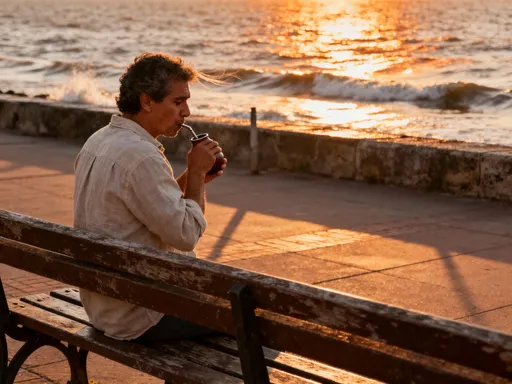
Mornings in Montevideo unfold with a quiet rhythm, shaped by habits passed through generations. One of the most visible traditions is the ritual of drinking mate, a bitter herbal infusion served in a gourd with a metal straw called a bombilla. It’s not just a beverage—it’s a social act, a symbol of connection. You’ll see people carrying thermoses and mate gourds everywhere: on buses, in parks, even at their desks. In Parque Rodó or along the Rambla, small groups sit on benches, passing the gourd in silence or light conversation. Joining in, even as a visitor, is often welcomed with a nod or a smile. Participating in this ritual offers a rare intimacy, a moment of shared presence in a fast-moving world.
Another cornerstone of the Montevidean morning is the feria barrial, or neighborhood market. Held weekly in different districts, these open-air markets are vibrant hubs of local life. Stalls overflow with seasonal fruits—plump peaches, deep purple figs, and crisp pears—alongside wheels of creamy queso fresco and jars of golden honey. Artisans sell hand-knit scarves, ceramic bowls, and leather goods, each item carrying a story of craftsmanship. The air is rich with the scent of fresh bread and roasted coffee. Taking time to browse, chat with vendors, and sample a slice of ripe melon isn’t just shopping—it’s a lesson in slowing down and savoring the ordinary.
For breakfast, many locals head to a confitería, a traditional café that blends European elegance with Uruguayan warmth. Confitería La Giralda, established in 1914, is a beloved institution. Its mirrored walls, marble counters, and vintage chandeliers transport you to another era. Here, a simple breakfast of medialunas—flaky, buttery pastries similar to croissants—paired with strong black coffee becomes a ritual of comfort. Families gather on weekends, friends catch up over sweet rolls, and elderly couples enjoy quiet moments by the window. By adopting these morning customs, visitors don’t just observe culture—they live it, one sip of mate, one market visit, one pastry at a time.
Art That Talks Back: Exploring Street Art and Cultural Identity
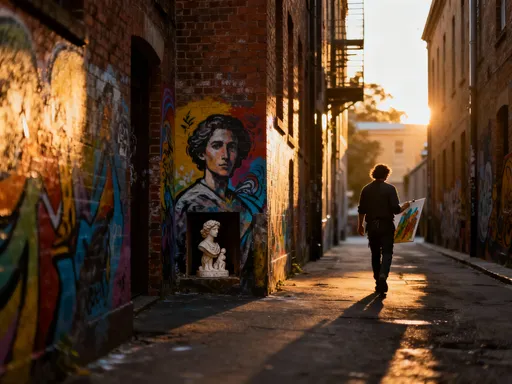
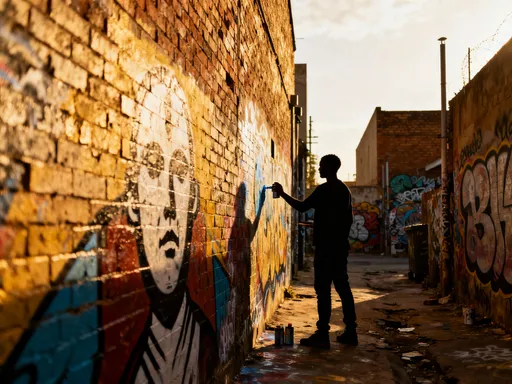
Montevideo’s streets are more than thoroughfares—they are open-air galleries where history, identity, and resistance are painted in bold colors and sharp lines. Nowhere is this more evident than in the neighborhoods of Barrio Sur and Palermo, where murals cover entire building facades, transforming alleyways into powerful narratives. These aren’t random graffiti tags but carefully composed works, often created by collectives like the renowned Murales por la Identidad. Each piece tells a story—of Afro-Uruguayan heritage, of political struggle, of community pride. The art doesn’t just decorate; it educates, challenges, and heals.
One striking mural in Barrio Sur depicts a line of comparsas, the drumming groups central to candombe, a musical tradition rooted in the African diaspora. The figures are rendered in deep browns and reds, their faces proud, their drums pulsing with energy. Nearby, another wall shows a mother holding a child, surrounded by names of the desaparecidos, the disappeared during Uruguay’s military dictatorship. These works serve as public memorials, ensuring that difficult chapters of history are not forgotten. Walking through these neighborhoods, you’re not just seeing art—you’re witnessing a community reclaiming its voice through color and form.
The influence of Afro-Uruguayan culture is especially visible during Carnival season, when candombe rhythms echo through the streets. But the murals keep that spirit alive year-round. In Palermo, a vibrant piece celebrates la llave de la cultura, the key to culture, showing children learning to play drums under the guidance of elders. These images reinforce the idea that art is not separate from life—it is life expressed in its most honest form. Unlike museum exhibits behind glass, street art invites interaction. You can touch the walls, photograph the details, and feel the emotion in every brushstroke. It’s a raw, unfiltered dialogue between artist and city, and for visitors, it offers a deeper understanding of Montevideo’s soul.
The Pulse of the City: Experiencing Candombe and Live Music
If Montevideo has a heartbeat, it’s the rhythm of candombe. This powerful drumming tradition, recognized by UNESCO as Intangible Cultural Heritage, originated among enslaved Africans in Uruguay and has evolved into a central pillar of national identity. The sound is unmistakable—deep, resonant beats from three types of drums: the chico, repique, and bombo. Played in unison, they create a hypnotic, rolling rhythm that moves through your chest before you even see the drummers. To hear candombe is to feel history, resilience, and joy all at once.
The best way to experience it is by attending a llamada, the nightly rehearsal where comparsas gather in Barrio Sur to practice. As dusk falls, groups dressed in vibrant costumes—ruffled shirts, feathered hats, and face paint—take their positions in the street. The drumming begins softly, then builds in intensity, drawing neighbors to their balconies and passersby to stop and listen. There’s no stage, no ticket required—just music flowing freely into the night. Visitors are not just allowed but encouraged to stand close, clap along, and even dance. The energy is inclusive, celebratory, and deeply moving.
But candombe isn’t the only musical expression in Montevideo. The city has a rich tradition of tango and milonga, especially in intimate venues like Casa de la Cultura or small peñas tucked into residential streets. These gatherings, often hosted by local artists, feature live bands playing soulful melodies while couples dance in close embrace. The mood is warm, unhurried, and deeply emotional. For those who prefer quieter nights, jazz clubs and folk music spots offer acoustic sets in cozy settings. Whether it’s the thunder of drums or the whisper of a guitar, music in Montevideo isn’t entertainment—it’s a way of being, a language of connection that transcends words.
Seaside Escape: The Rambla and Beachside Living
Stretching for 22 kilometers along the coast, the Rambla is Montevideo’s living room, gym, and promenade all in one. This waterfront avenue, lined with bike paths, benches, and palm trees, is where the city comes to breathe. At sunrise, runners and walkers move in steady rhythm, their footsteps echoing on the smooth pavement. Cyclists glide past, some with children in trailers, others in full athletic gear. Fishermen cast their lines from concrete platforms, hoping for a morning catch. As the sun climbs, families spread out on the grassy slopes, sharing snacks and laughter.
The Rambla isn’t just a scenic route—it’s a reflection of Montevideo’s lifestyle. Here, people of all ages and backgrounds share space without pretense. You’ll see elderly couples strolling arm in arm, teenagers flying kites, and yoga groups practicing on the sand. The beach itself, especially in Pocitos and Buceo, is never crowded or commercialized. There are no loud music stands or high-priced cabanas—just simple access to the water, where children build sandcastles and adults float in the gentle waves. The sand is soft, the water cool but swimmable in summer, and the horizon stretches endlessly over the Rio de la Plata.
Sunset along the Rambla is a daily ritual. As the sky turns gold and pink, crowds gather on the seawall, phones out, but also present—talking, hugging, simply watching. Some bring mate, others a small bottle of wine. There’s a quiet reverence in these moments, a collective pause to appreciate beauty. For visitors, walking or biking the Rambla offers more than exercise—it’s a chance to sync with the city’s rhythm. You begin to understand why Montevideans are so attached to this strip of land between sea and city: it’s where life unfolds in its simplest, most joyful form.
Taste of Uruguay: Food Experiences That Define the Culture
In Montevideo, food is not just sustenance—it’s celebration, connection, and identity. At the heart of this culinary culture is the asado, the Uruguayan barbecue that transforms meat into art. More than a cooking method, asado is a social event, often lasting hours. Families and friends gather in backyards or parks, where a skilled asador tends a wood-fired grill. Cuts of beef—asado de tira, entraña, mollejas—sizzle slowly, releasing rich aromas. The meal begins late, after much conversation and perhaps a glass of local Tannat wine. Eating together, sharing stories, and savoring each bite is the true essence of the experience.
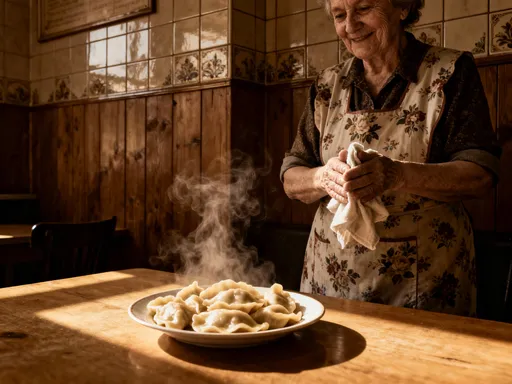
While asado reigns supreme, daily life is flavored by simpler pleasures. The chivito, a towering sandwich filled with steak, ham, cheese, bacon, eggs, and vegetables, is a national favorite. Found in diners and family-run almuerzos, it’s hearty comfort food at its best. Equally beloved are empanadas, baked or fried pastries with fillings ranging from spiced beef to spinach and cheese. Best enjoyed fresh from a corner bakery, they make perfect snacks during a day of exploring. And no visit is complete without tasting dulce de leche, the caramel-like spread used in cakes, pancakes, and pastries. Locals eat it by the spoonful—proof of its irresistible appeal.
To truly appreciate Uruguayan flavors, a visit to a traditional bodega is essential. Though smaller than Argentina’s wine regions, Uruguay has gained recognition for its high-quality Tannat, a bold red with deep color and structure. Many bodegas in the Canelones region, just outside Montevideo, offer tastings in rustic, welcoming settings. You’ll learn about sustainable farming, small-batch production, and the passion behind each bottle. Back in the city, wine bars pair local vintages with cheese boards and cured meats. Every bite and sip tells a story of land, labor, and love—a taste of Uruguay that lingers long after the meal ends.
Off the Beaten Path: Underrated Spots Only Locals Know
Beyond the well-trodden paths of Ciudad Vieja and Pocitos lie quieter corners where Montevideo reveals its most authentic self. In the neighborhood of Tres Cruces, a small plaza shaded by century-old trees becomes a morning meeting point for retirees playing chess and sharing mate. Nearby, a hidden bookstore called Librería La Inesperada occupies a colonial house, its shelves crammed with vintage novels, poetry, and rare editions. There’s no signage, no online presence—just word of mouth. Stepping inside feels like entering a private library, where time slows and every book seems to have a history.
Another gem is Confitería Las Familias in Barrio Sur, a no-frills café where generations have gathered for coffee and conversation. The tiles are cracked, the tables wobbly, but the medialunas are some of the best in the city. Here, you won’t hear English—only Spanish, laughter, and the clink of spoons in porcelain cups. It’s the kind of place where the owner remembers your name after one visit, where regulars greet each other like family. These unassuming spots, far from tourist guides, offer the richest travel experiences: not curated, not staged, but real.
For a day trip with soul, Casapueblo is a compelling choice. Though located about four hours away in Punta Ballena, it’s a feasible and inspiring journey. Designed by artist Carlos Páez Vilaró, this whitewashed, sculptural building rises from the cliffs like a living piece of art. Once his home and studio, it now functions as a museum and hotel, filled with murals, mosaics, and panoramic views of the sea. The late-afternoon ritual—when the caretaker rings a bell and everyone gathers on the rooftop to watch the sun dip below the horizon—is deeply moving. While not in Montevideo, the trip offers a deeper understanding of Uruguay’s creative spirit, a perfect complement to the city’s quieter wonders.
Conclusion
Montevideo doesn’t shout for attention—but it earns your affection quietly, moment by moment. It’s in the way people greet strangers, the pride in their traditions, and the ease of life along the coast. More than just sights, it’s the small, authentic experiences that stay with you. For travelers seeking depth over dazzle, this city delivers something rare: a genuine connection. The real magic? It’s not hidden—it’s simply waiting to be noticed.