You Won’t Believe These Hidden Bites in Warsaw
Warsaw is more than its history—it’s a culinary secret waiting to be tasted. I stumbled upon flavors here that no tourist guide mentions: from family-run milk bars serving century-old recipes to modern kitchens reinventing Polish soul food. If you think pierogi is all there is, think again. This city surprises at every corner with warmth, authenticity, and bold tastes. Let me take you beyond the postcards, straight to the tables where locals truly eat. Here, food isn’t just sustenance—it’s memory, identity, and connection, served on chipped plates in unmarked doorways and polished tables alike. Warsaw feeds the soul as much as the stomach, and its truest stories are written in simmering pots and shared bread.
Rediscovering Warsaw Through Food
Most travelers arrive in Warsaw expecting a city defined by resilience—reconstructed after war, reshaped by history, and still emerging from its past. And while the scars of history are real, they don’t tell the full story. A deeper, richer narrative unfolds in the kitchens of everyday Varsovians, where food becomes a living tradition. Warsaw’s culinary scene is not preserved behind glass; it’s alive, evolving, and deeply personal. It reflects a culture that values generosity, seasonality, and the quiet pride of a well-prepared meal.
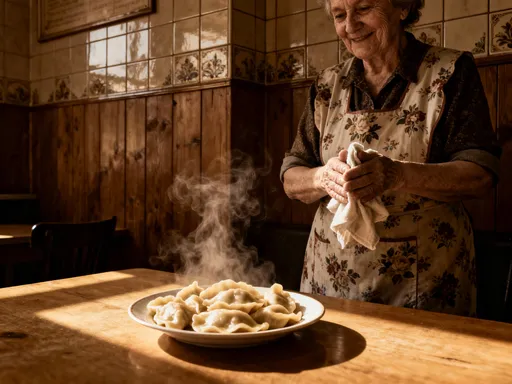
The city’s food culture thrives in the spaces between memory and innovation. Grandmothers still roll dumplings with flour-dusted hands, following recipes unchanged for generations, while young chefs experiment with fermentation and foraging to elevate those same dishes. This duality is what makes Warsaw’s gastronomy so compelling. It’s not about rejecting the old for the new, but about honoring tradition while allowing it to grow. The result is a dining experience that feels both familiar and surprising—a conversation between generations played out on plates.
What sets Warsaw apart from other European capitals is its authenticity. Unlike cities where tourism has sanitized local flavors, Warsaw retains its culinary soul. You won’t find menus translated into seven languages on every corner, nor will you be served pierogi shaped for Instagram. Instead, you’ll encounter real food in real places—where the owner remembers your order, the soup changes with the season, and the bread arrives still warm from the oven. This is not performance; it’s daily life, and it’s accessible to anyone willing to look beyond the main squares.
The Soul of Polish Cuisine: Beyond Pierogi and Vodka
For many, Polish cuisine begins and ends with pierogi and vodka. But this narrow view overlooks a rich and varied food tradition rooted in seasonal rhythms, regional diversity, and centuries of cultural exchange. True Polish food is hearty without being heavy, flavorful without being flashy. It’s built on slow cooking, fresh ingredients, and the deep satisfaction of a meal earned through patience and care. To understand it is to understand the land itself—fertile fields, dense forests, and long winters that shaped a cuisine of preservation, resourcefulness, and comfort.
One of the most emblematic dishes, żurek, is a sour rye soup often served in a bread bowl, topped with a boiled egg and smoked sausage. Its tangy depth comes from fermented rye flour, a technique passed down through generations. This soup isn’t just food; it’s a ritual, commonly enjoyed during Easter but available year-round in family kitchens and traditional eateries. It represents the ingenuity of Polish cooking—turning simple, storable ingredients into something deeply nourishing and complex.
Another staple, golonka, or pork knuckle, is slow-roasted or braised until the meat falls from the bone, often served with horseradish and dark beer. It’s a dish of celebration and comfort, found at weekend gatherings and holiday feasts. Then there are nalesniki—thin, crepe-like pancakes filled with everything from sweet farmer’s cheese and fruit to savory mushrooms and minced meat. These delicate rolls are a favorite among families, often prepared for Sunday dinners or special occasions.
What unites these dishes is their connection to home. Polish cuisine was never designed for fine dining theatrics; it was made for the table, for sharing, for sustaining through long winters. Even in modern Warsaw, this spirit endures. Restaurants may have sleek interiors, but the food still carries the warmth of a grandmother’s kitchen. To eat in Warsaw is to be welcomed—not as a customer, but as a guest.
Milk Bars: Warsaw’s Last Authentic Bargains
No exploration of Warsaw’s food culture is complete without a visit to a milk bar—bar mleczny in Polish. These no-frills canteens date back to the communist era, when the state subsidized dairy-based meals to ensure affordable nutrition. Today, they survive as relics of a bygone time, yet remain vital to the city’s culinary heartbeat. Milk bars are not tourist attractions; they are working-class institutions where students, retirees, and office workers gather for honest, home-style meals at prices that defy modern inflation.
One of the most well-known, Bar Mleczny Prasowy, sits near the city center and has been serving locals since the 1950s. The decor is unchanged—linoleum floors, plastic tabletops, and a chalkboard menu written in Polish. There’s no table service; you order at the counter, pay in cash, and carry your tray to a seat among strangers who quickly feel like neighbors. The menu features classics like bigos (hunter’s stew), kotlet schabowy (breaded pork cutlet), and, of course, pierogi—but here, they taste different. They’re denser, more rustic, made with care rather than spectacle.
What makes milk bars special isn’t just the food—it’s the atmosphere. There’s a quiet dignity in these spaces, a sense of continuity. The women behind the counter have likely worked there for decades. The regulars greet each other by name. The meals are served in mismatched bowls, and the napkins are thin, but no one complains. This is food stripped of pretense, where flavor and value reign supreme. For visitors, a milk bar offers more than a cheap meal; it offers a glimpse into the everyday life of Warsaw, where dignity and community are served alongside cabbage and dumplings.
While some milk bars have modernized slightly—accepting cards or offering English menus—most remain stubbornly authentic. And that’s precisely their charm. They are not trying to impress. They exist to feed people, simply and well. In a world of curated dining experiences, milk bars are a refreshing reminder that the best meals aren’t always the most expensive or the most photographed.
Where Locals Eat: Neighborhood Gems Off the Tourist Map
If milk bars represent Warsaw’s working-class roots, the city’s neighborhood restaurants reveal its living heart. Beyond the tourist trails of the Old Town and Nowy Świat, districts like Żoliborz, Sadyba, and Praga pulse with culinary life. These areas are home to families, artists, and professionals who value good food without the fanfare. Here, restaurants often have no websites, no English menus, and sometimes no signs at all. You find them by word of mouth, by following the scent of roasting meat, or by spotting a line of locals waiting at the door.
In Żoliborz, a quiet residential area north of the city center, small family-run spots serve dishes that feel like heirlooms. One such place, tucked into a courtyard with no name on the door, offers a rotating menu based on what’s fresh at the market. One day it might be duck with red cabbage and dumplings; the next, a creamy mushroom soup with wild herbs foraged from nearby forests. The owner, a retired teacher, greets guests like old friends and often joins tables to explain the origins of each dish. There’s no rush, no pressure to turn tables—just the pleasure of shared food and conversation.
Sadyba, an upscale yet understated neighborhood in the south, is known for its elegant townhouses and hidden courtyards. Here, dining is more refined but never pretentious. A favorite among locals is a small bistro that specializes in regional Polish cuisine with a modern touch. Think beetroot soup with dill oil, or potato pancakes served with house-cured salmon and sour cream. The wine list features Central European vintages, and the staff remembers your preferences after just one visit. It’s the kind of place where business meetings turn into long dinners, and strangers become regulars.
Then there’s Praga, the gritty, vibrant district across the Vistula River. Once neglected, it’s now a hub of creativity and authenticity. Its streets are lined with artist studios, vintage shops, and unassuming eateries where the food is bold and uncompromising. One standout is a tiny kitchen run by a mother-daughter team, serving only three dishes a day: a stew, a dumpling, and a dessert. Theirs is a menu of mastery, not variety. The golonka here is legendary—crispy on the outside, tender within, served with a tangy sauerkraut that cuts through the richness. There’s no menu translation, no online reservation, but the line forms early, and the smiles are genuine.
Modern Twists: How Warsaw’s Chefs Are Reinventing Tradition
While tradition runs deep in Warsaw, a new generation of chefs is reimagining Polish cuisine with creativity and precision. These culinary innovators are not rejecting the past; they are reinterpreting it. Their restaurants blend time-honored flavors with modern techniques, turning familiar dishes into artful expressions of national identity. This movement has placed Warsaw on the global food map, attracting attention from food critics and travelers seeking authentic yet forward-thinking dining experiences.
One such restaurant, located in a repurposed industrial building, offers a tasting menu that reads like a love letter to Poland. The meal begins with a smoked beetroot tartare, served with horseradish cream and rye crisps—a nod to the classic beet soup, but deconstructed and elevated. Next comes duck confit with a plum sauce inspired by traditional powidła (prune butter), accompanied by buckwheat groats and pickled cherries. Each dish tells a story, not just of flavor, but of place and memory.
What sets these modern Polish restaurants apart is their respect for ingredients. Chefs source from local farms, forage for wild herbs, and preserve seasonal produce through fermentation and curing. They treat Polish cuisine not as rustic leftovers, but as a sophisticated culinary tradition worthy of fine dining. The plating is elegant, the pacing deliberate, and the wine pairings thoughtful. Yet, despite the refinement, the food never feels distant. It remains rooted in comfort, in the deep satisfaction of a well-made meal.
This culinary renaissance is not limited to high-end establishments. Even casual restaurants and bistros are incorporating modern touches—foams, gels, and unexpected combinations—while staying true to Polish flavors. The result is a dynamic food scene where tradition and innovation coexist, inviting both locals and visitors to see Polish cuisine in a new light. It’s no longer something to be hidden or apologized for; it’s a source of pride and creativity.
Markets & Street Food: Tasting Warsaw One Bite at a Time
For a truly immersive food experience, Warsaw’s markets offer a sensory journey through the city’s culinary soul. Hala Koszyki, a beautifully restored market hall in the city center, is a prime example. Once a bustling food market in the early 20th century, it was reborn in 2015 as a modern gastronomic destination. Inside, vendors offer everything from artisanal cheeses and cold-pressed juices to hand-cut kielbasa and freshly baked rye bread. It’s a place where old and new converge—where grandmothers buy sausages for Sunday dinner while young professionals grab gourmet burgers for lunch.
Weekend farmer’s markets, like the one in Pole Mokotowskie, provide another window into Warsaw’s food culture. These open-air markets are filled with regional producers selling honey, pickles, smoked meats, and seasonal vegetables. You’ll find stalls offering warm pierogi straight from the pan, served with a dollop of sour cream and a sprinkle of chives. Others specialize in kiełbasa grilled over charcoal, served in a roll with mustard and onions. The air is rich with the scent of smoke, garlic, and fresh herbs.
Street food in Warsaw is not an afterthought; it’s a vital part of the food scene. Food trucks and pop-up stalls appear at festivals and parks, offering creative takes on Polish classics. One popular vendor serves mini żurek in edible bread cups, perfect for eating on the go. Another offers a fusion of Polish and Middle Eastern flavors—lamb-filled pierogi with tahini sauce. These innovations show that Polish cuisine is not static; it’s evolving, absorbing influences while staying true to its roots.
What makes these markets special is their sense of community. They’re not just places to buy food; they’re gathering spaces where people meet, chat, and share meals. Vendors remember regulars, offer samples with a smile, and explain how their grandmothers taught them to make sauerkraut. For visitors, these markets are an accessible way to explore Polish flavors without needing reservations or perfect Polish. You can taste your way through the country, one bite at a time.
Practical Tips for Eating Like a True Varsovian
To fully enjoy Warsaw’s food culture, a few practical tips can make all the difference. First, embrace the local rhythm. Lunch is the main meal of the day, typically served between 12:00 and 14:00. Many restaurants offer a daily lunch special—zupa i drugie (soup and a main course)—at a reduced price. Arriving early ensures the best selection, as some dishes sell out quickly. Dinner, by contrast, is lighter and later, often starting after 19:00.
When dining in traditional or neighborhood restaurants, be prepared for cash-only payments. While larger establishments accept cards, many small places, especially milk bars and family-run spots, operate on a cash basis. It’s wise to carry some złoty in small denominations. Tipping is customary but not excessive—10% is standard, and it’s often left in cash on the table rather than added to a card receipt.
Menus in local eateries are usually in Polish, with limited or no English translation. A simple phrasebook app or offline translator can be invaluable. Key words to know include zupa (soup), mięso (meat), ryba (fish), wegetariańskie (vegetarian), and naleśniki (pancakes). Don’t hesitate to point or ask for help—the staff are generally patient and appreciative of the effort.
Portion sizes in Warsaw tend to be generous. Sharing dishes is common, especially in milk bars or casual settings. If you’re unsure what to order, look at what others are eating or ask for the daily special. And don’t skip the bread—fresh rye or wheat loaves are often brought to the table unsolicited, a small but meaningful gesture of hospitality.
Finally, greet the staff when you enter. A simple “Dzień dobry” (good day) goes a long way in building rapport. In family-run places, the owner may come out to talk, recommend dishes, or even invite you back. These moments of connection are part of what makes eating in Warsaw so special. It’s not just about the food—it’s about being seen, welcomed, and treated like part of the community.
Conclusion: Why Warsaw’s Table Tells Its Truest Story
Warsaw is a city of layers—historical, cultural, and culinary. To understand it fully, you must sit at its tables. The food here is more than flavor; it’s a record of survival, a celebration of continuity, and an act of daily kindness. From the steam rising off a bowl of żurek to the laughter around a shared platter of grilled kiełbasa, Warsaw feeds more than hunger. It nourishes connection, memory, and belonging.
In a world where travel often means checking off landmarks, Warsaw invites a slower, more meaningful approach. Let your curiosity lead you beyond the guidebooks, into the neighborhoods where life unfolds over long meals and second helpings. Seek out the unmarked doors, the crowded milk bars, the markets humming with life. Let the taste of homemade pierogi, the tang of fermented soup, the warmth of fresh bread guide you.
Because in the end, to know Warsaw is not just to see it, but to taste it—to sit down, stay awhile, and eat with intention. The city’s truest story isn’t in its museums or monuments, but in the quiet moments around a shared table, where food becomes language, and every bite speaks of home.