Where Culture Meets the Clouds: A Soulful Journey Through Quito
Nestled high in the Andes, Quito isn’t just Ecuador’s capital—it’s a living canvas of culture and nature. I wandered its cobblestone streets, stunned by colonial churches standing beneath volcanic peaks. You feel history in every step, yet the city pulses with indigenous soul. From misty highland plazas to vibrant local markets, Quito blends heritage and landscape like nowhere else. This is more than sightseeing—it’s feeling a place deeply. The air is thin, the light is soft, and the energy is reverent. In this high-altitude sanctuary where the equator cuts across mountain ridges and ancient traditions endure, travel becomes a quiet act of listening, of witnessing, of belonging, even if just for a moment.
The Heartbeat of a High-Altitude Capital
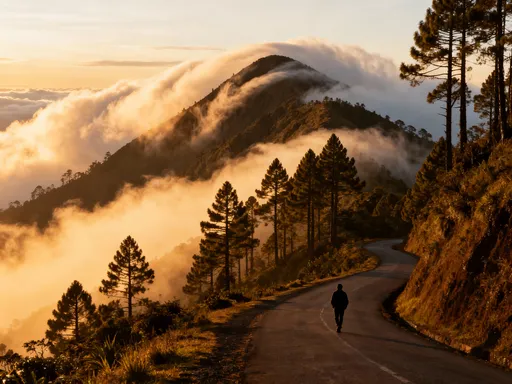
Quito rests at an elevation of more than 2,800 meters above sea level, making it one of the highest capital cities in the world. Perched along the equator and cradled by the Andean mountain range, its geography is nothing short of dramatic. The city unfolds along a narrow valley, flanked by the imposing silhouette of Pichincha Volcano to the west and smaller peaks that seem to guard its edges. Mornings often begin with a gentle veil of fog rolling through the hills, lifting slowly to reveal red-tiled rooftops and church spires piercing the sky. This unique position shapes not only the city’s climate—mild temperatures year-round with distinct wet and dry seasons—but also the rhythm of daily life. Residents move with a measured pace, mindful of the altitude, while the crisp mountain air carries the scent of eucalyptus and fresh bread from neighborhood bakeries.
As the capital of Ecuador, Quito serves as a cultural crossroads where pre-Columbian heritage meets centuries of colonial influence. Long before the arrival of the Spanish, this valley was home to indigenous Quitu people, whose name lives on in the city’s modern identity. Over time, the Inca Empire expanded into the region, leaving behind traces of their sophisticated engineering and spiritual practices. With the Spanish conquest in the 16th century, Quito became a major administrative and religious center, resulting in a rich architectural legacy that blends European styles with Andean craftsmanship. Today, the city embodies a layered history, where ancient traditions coexist with colonial grandeur and modern urban life.
At the heart of this cultural tapestry lies Quito’s historic center, a UNESCO World Heritage Site recognized as one of the largest and best-preserved in the Americas. Spanning over 800 acres, the Old Town is a maze of narrow cobblestone streets, grand plazas, and intricately designed churches. Walking through its alleys feels like stepping into a living museum, where every facade tells a story. The preservation of this area is not merely an act of nostalgia; it is a commitment to safeguarding identity. Local artisans, historians, and residents work together to maintain the integrity of their heritage, ensuring that the city’s soul remains intact amid the pressures of modernization. For visitors, this means an immersive experience—one that invites contemplation, connection, and respect.
Walking Through Layers of History
To walk through Old Town Quito is to traverse centuries in a single afternoon. The journey often begins at Plaza de la Independencia, the city’s main square and the symbolic heart of national identity. Surrounded by landmarks such as the Metropolitan Cathedral, the Archbishop’s Palace, and the grand Presidential Palace—known locally as Carondelet—this expansive plaza buzzes with activity. Families gather on weekends, street performers entertain passersby, and tourists pause to take in the grandeur of colonial architecture. Each building surrounding the square bears the weight of history, having witnessed political shifts, religious ceremonies, and everyday life for generations.
One of the most breathtaking structures in the historic center is La Compañía de Jesús, a Jesuit church renowned for its baroque façade and opulent interior. Carved entirely from volcanic stone, its front is a masterpiece of intricate detail, with swirling vines, angelic figures, and geometric patterns that draw the eye upward. Inside, the experience is even more awe-inspiring: walls and ceilings covered in gold leaf, gilded altars, and ornate woodwork create a space that feels both sacred and theatrical. This level of craftsmanship reflects the deep connection between faith and art in Quito’s past, where religious institutions commissioned local artisans to create works that would inspire devotion and reflect divine glory.
Guided tours through these historic sites often reveal stories beyond architecture. Local guides, many of whom are trained historians or cultural ambassadors, share narratives of resistance, adaptation, and survival. They speak of the indigenous laborers who built these churches, of the blending of Catholic rituals with Andean spiritual beliefs, and of how communities preserved their languages and customs despite colonization. These stories add emotional depth to the visit, transforming stone walls into vessels of memory. In the plazas and side streets, daily life continues in harmony with this legacy—vendors sell empanadas and herbal teas, musicians play traditional melodies on pan flutes, and elders sit on benches, watching the world go by. It is in these quiet moments that history feels most alive.
Sacred Peaks and Spiritual Landscapes
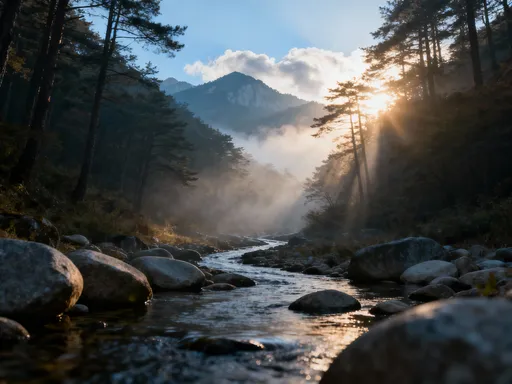
For the Andean people, mountains are not merely geological formations—they are living beings, protectors, and spiritual guides. Pichincha Volcano, which looms over Quito, is revered as an *apu*, a sacred mountain spirit in indigenous cosmology. This belief, rooted in Kichwa and broader Andean worldviews, sees nature as animate and interconnected. The mountain is not conquered; it is respected, honored, and approached with humility. This spiritual relationship shapes how locals interact with the landscape, turning hikes and pilgrimages into acts of reverence rather than recreation.
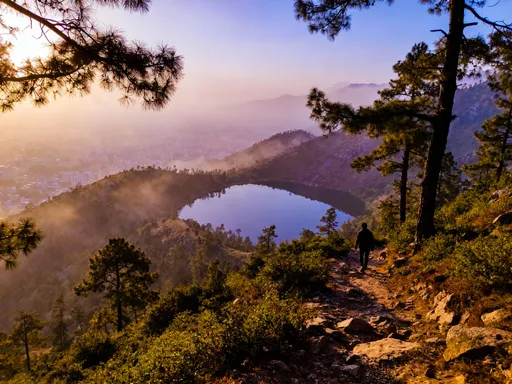
One of the most accessible ways to experience this connection is via the TelefériQo, a modern cable car that ascends the slopes of Pichincha to an elevation of nearly 4,100 meters. The ride itself offers a stunning transition—from the bustling city below to alpine terrain covered in paramo grasslands and hardy native plants. At the top, visitors are greeted with panoramic views of Quito stretching across the valley, often shrouded in soft clouds. More than a tourist attraction, the TelefériQo serves as a gateway to deeper engagement. Hiking trails lead to ancient Inca ruins, highland lagoons, and viewpoints used for ceremonial purposes. Along the paths, it is not uncommon to see small offerings called *despachos*—bundles of flowers, grains, and coca leaves wrapped in colorful cloth—left as thanks to the earth and mountain spirits.
These rituals reflect a worldview in which balance and reciprocity are central. Before beginning a journey or planting crops, Andean communities may perform a *despacho* ceremony to ask permission from Pachamama (Mother Earth) and express gratitude. Tourists are sometimes invited to participate in simplified versions of these rituals, led by local spiritual guides. While such experiences must be approached with cultural sensitivity, they offer a rare opportunity to understand a different way of relating to nature—one that emphasizes harmony over domination. In a world increasingly disconnected from the natural environment, Quito’s spiritual landscapes remind us of the wisdom in listening to the earth.
Markets as Cultural Hubs
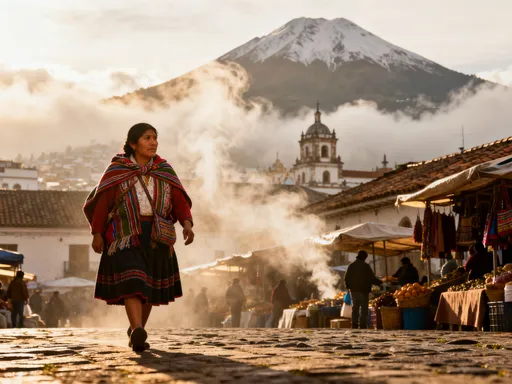
In Quito, markets are far more than places to buy food and souvenirs—they are vibrant social spaces where culture is lived, shared, and sustained. Among the most renowned is Mercado Central, a sprawling indoor market that awakens the senses from early morning until late afternoon. The air is thick with the aroma of roasted meats, simmering soups, and freshly ground spices. Stalls overflow with local specialties: *hornado* (slow-roasted pork), *locro de papas* (a creamy potato and cheese soup), and *empanadas de verde* (green plantain turnovers). Vendors call out their offerings with pride, their voices blending into a rhythmic symphony that echoes under the market’s high ceilings.
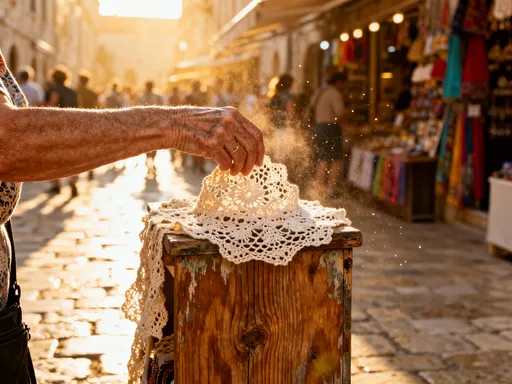
Beyond the food, Mercado Central is a showcase of Ecuadorian craftsmanship. Rows of stalls display handwoven bags, embroidered blouses, and traditional *alpargatas* (straw sandals). Many of the artisans are women from nearby highland communities who travel to the city to sell their wares. Their presence transforms the market into a living bridge between rural and urban life, where ancestral skills are not only preserved but valued. Shoppers who take the time to speak with these vendors often learn about the meanings behind patterns, the natural dyes used in textiles, and the generations-long traditions behind their crafts.
Another key marketplace is Plaza del Inti Raymi, located in the northern part of the city. Designed to celebrate indigenous culture, this open-air plaza hosts weekly markets featuring products from various regions of the highlands. Here, visitors encounter Otavaleño weavers, known for their intricate woolen textiles, as well as farmers selling organic quinoa, purple corn, and exotic fruits like *naranjilla* and *mortiño*. The market also serves as a gathering place for cultural events, including music performances, dance circles, and storytelling sessions. Unlike commercial shopping centers, these spaces encourage interaction, slowing down the pace of life and fostering genuine connection. For families, especially those raising children, such environments offer meaningful ways to teach respect for tradition, sustainability, and community values.
Art, Music, and the Pulse of Daily Life
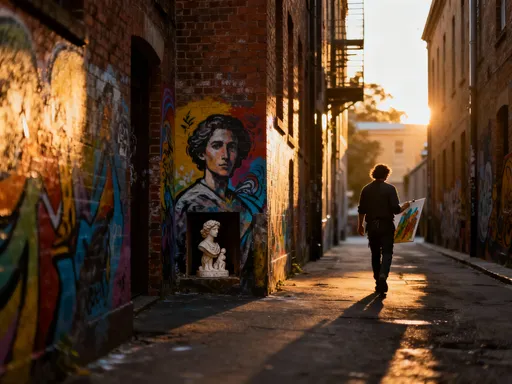
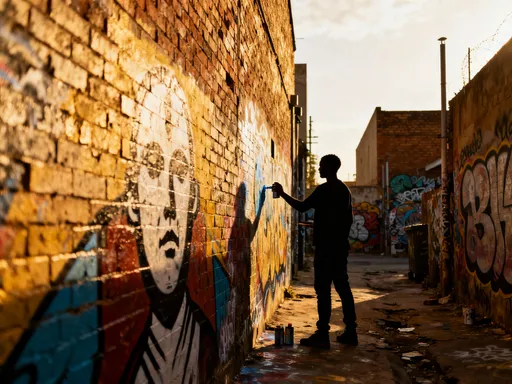
Culture in Quito extends far beyond museums and historic sites—it thrives in the streets, plazas, and neighborhoods where everyday life unfolds. In districts like Guápulo and La Floresta, colorful murals cover building walls, blending political messages with Andean symbols, nature imagery, and mythological figures. These works are not merely decorative; they are expressions of identity, resistance, and hope. Street artists, many of whom are young and locally trained, use public spaces to comment on social issues, celebrate indigenous heritage, and beautify neglected corners of the city. Walking through these neighborhoods feels like reading an open-air journal of Quito’s evolving soul.
Music is another vital thread in the city’s cultural fabric. In plazas across Quito, especially during weekends and festivals, the sounds of *sanjuanito* fill the air—a traditional Andean rhythm characterized by lively pan flute melodies, rhythmic drumming, and call-and-response singing. Dancers in colorful costumes move in synchronized steps, their skirts swirling as they honor ancestral traditions. These performances are not staged for tourists alone; they are community events, often led by local cultural groups who pass down songs and dances through generations. For visitors, participating—even by clapping along or joining a circle dance—can be a deeply joyful and unifying experience.
Formal cultural institutions also play a crucial role in preserving Ecuador’s artistic legacy. Theaters such as Teatro Sucre and Centro Cultural Metropolitano host performances ranging from classical music concerts to contemporary plays rooted in national themes. Meanwhile, smaller galleries and artist collectives provide platforms for emerging voices. Annual festivals like Inti Raymi, held around the June solstice, reenact pre-Hispanic sun ceremonies with processions, music, and traditional dress. These celebrations, once suppressed during colonial times, have been revived as powerful affirmations of indigenous identity. They remind us that culture is not static—it breathes, adapts, and endures.
Beyond the City: Cultural Landscapes in the Highlands
While Quito itself offers a rich cultural experience, the surrounding highlands reveal even deeper layers of tradition and resilience. Just two hours north lies Otavalo, home to one of South America’s most famous indigenous markets. Every Saturday, the town transforms into a bustling hub where thousands gather to buy, sell, and socialize. The market stretches across several blocks, with rows of stalls displaying handwoven ponchos, blankets, hats, and jewelry. The Otavaleño people, part of the larger Kichwa nation, are renowned for their textile artistry, using pedal looms and natural dyes to create vibrant, durable fabrics. Many families have operated weaving businesses for generations, passing down techniques and designs through apprenticeship.
Visitors to Otavalo are encouraged to explore beyond the main market. Community-run cooperatives offer guided tours of weaving workshops, where guests can observe the entire process—from spinning wool to dyeing threads with plants like indigo, cochineal, and walnut shells. Some cooperatives also run cultural centers that teach visitors about Kichwa cosmology, medicinal plants, and oral storytelling. These initiatives are not only educational but also economically empowering, allowing communities to control how their culture is shared and ensuring that profits stay within the region.
Other nearby towns, such as Cotacachi and Peguche, offer similar opportunities for meaningful engagement. In Cotacachi, leather artisans craft high-quality bags and shoes using sustainable methods, while in Peguche, visitors can witness traditional water-powered weaving and participate in community-led eco-tourism projects. These destinations exemplify a growing movement toward responsible travel—one that prioritizes mutual respect, environmental stewardship, and cultural preservation. For families and travelers seeking authentic experiences, these highland communities provide a model of how tourism can support, rather than exploit, local ways of life.
Traveling with Respect and Awareness
As interest in cultural tourism grows, so does the responsibility to travel ethically. In Quito and the surrounding highlands, the most rewarding experiences come not from passive observation but from active, respectful engagement. One of the simplest yet most impactful choices is to stay in locally owned guesthouses or eco-lodges. These accommodations often provide more personalized service, support neighborhood economies, and offer insights into daily life that large hotels cannot match. Similarly, hiring community-trained guides ensures that knowledge is shared accurately and that economic benefits reach those who steward the culture.
Another essential practice is learning a few basic phrases in Kichwa, the indigenous language still spoken by hundreds of thousands in Ecuador. Greetings like *allillanchu* (hello) and *muyurikuy* (thank you) may seem small, but they signal respect and openness. They open doors to conversations that go beyond transactional exchanges, fostering genuine human connection. Travelers should also be mindful of photography, especially when capturing people, ceremonies, or sacred sites. Always ask permission before taking photos, and never treat individuals or traditions as mere backdrops for selfies.
Sustainability is equally important. Carrying a reusable water bottle, shopping with cloth bags, and avoiding single-use plastics help reduce environmental impact in a region where ecosystems are fragile. Supporting fair-trade artisans by purchasing directly from cooperatives—rather than mass-produced souvenirs—ensures that craftsmanship is valued and communities thrive. Above all, slow travel is key: allowing time to sit in a plaza, sip *api morado* (a warm purple corn drink), and listen to elders share stories. True cultural appreciation is not about collecting experiences but about cultivating understanding.
Quito is not just a destination—it’s a dialogue between past and present, earth and sky, people and place. To visit is to engage, to walk with reverence through layers of meaning. The real magic isn’t only in the views from the mountains, but in the quiet moments: a shared smile at a market, a chant at sunrise, a pattern woven with memory. When you leave, you carry more than photos—you carry connection.