Why Ottawa’s Festival Season Is a Road-Trip Revelation
You know that feeling when you hit the open road with music blasting and no strict plans? That’s exactly how my spring drive to Ottawa began—spontaneous, free, and full of surprise. What I didn’t expect was stumbling into a city pulsing with celebration. From maple syrup festivals to dazzling winter lights, Ottawa’s seasonal events are best experienced behind the wheel. Let me take you through the vibrant rhythm of this capital’s festival life—where timing, routes, and local energy come together in perfect harmony. More than just calendar highlights, these festivals offer deeply rooted cultural moments that unfold across neighborhoods, parks, and frozen canals. Driving allows you to move with the pulse of the city, arriving just as the ice carvings glisten under moonlight or when tulip fields bloom in a burst of color. This is not tourism by checklist, but discovery by instinct—guided by the joy of motion and the promise of what lies just around the next bend.
The Allure of Ottawa’s Festival Calendar
Ottawa’s identity is shaped as much by its political institutions as by its seasonal celebrations. Each year, the city transforms into a living canvas of culture, color, and community through a carefully choreographed festival calendar. These events are not isolated attractions—they are deeply woven into the social fabric of the region, drawing locals and visitors alike into shared experiences that reflect Canada’s diversity and heritage. Among the most celebrated is Winterlude, a mid-February spectacle that turns the nation’s capital into a winter playground. Centered on the UNESCO-listed Rideau Canal—one of the world’s largest naturally frozen skating rinks—the festival features towering ice sculptures, snow playgrounds, and the beloved Ice Dragon Boat Festival. Families gather to skate beneath twinkling lights, while food kiosks serve warm maple taffy on snow, a tradition passed down through generations.
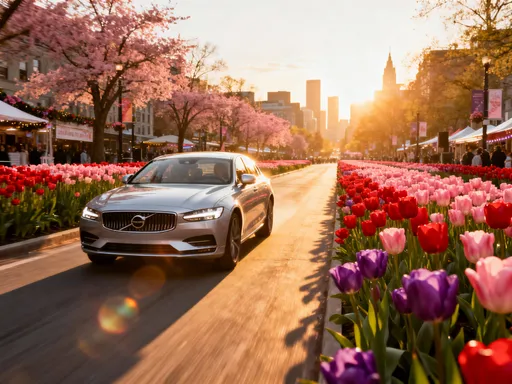
Following closely on the heels of winter’s grand finale is the Canadian Tulip Festival, held each May in the nation’s capital. Recognized as the largest tulip festival in the world, it traces its origins to a post-World War II gesture of gratitude from the Dutch royal family, who gifted thousands of bulbs to Canada in thanks for sheltering Princess Juliana during the war. Today, over one million tulips bloom across Commissioners Park and other green spaces along the Ottawa River, painting the city in vibrant hues of red, yellow, purple, and white. The festival includes guided garden walks, photography contests, and cultural performances that celebrate both horticultural beauty and international friendship.
As the weather warms further, Ottawa’s summer rhythm kicks in with RBC Bluesfest, one of North America’s most dynamic outdoor music festivals. Held at LeBreton Flats, this week-long event attracts top-tier international and Canadian artists across genres—from rock and jazz to folk and electronic music. With attendance regularly exceeding 300,000, the festival turns the city into a stage where music lovers picnic on the grass, dance under the stars, and soak in performances from acts like Norah Jones, Hozier, and Blue Rodeo. The energy is electric, yet accessible, with family-friendly daytime programming and late-night concerts that echo across the river into Gatineau.
Capping off the colder months with cultural warmth is Festival du Voyageur, held annually in February in the historic French quarter of St. Laurent Boulevard. This celebration honors the fur traders—voyageurs—who traveled by canoe across the Canadian wilderness in the 18th and 19th centuries. With costumed interpreters, traditional Québécois cuisine like pea soup and tourtière, and lively fiddle music echoing through snow-covered streets, the festival offers a heartfelt immersion into Franco-Ontarian identity. While primarily based in Winnipeg, satellite events and cultural partnerships extend its spirit into Ottawa, particularly through school programs, pop-up performances, and culinary collaborations that highlight French-Canadian traditions. Together, these festivals form a rhythm that mirrors the seasons—each offering a unique reason to plan a journey to the capital.
Why Drive? The Freedom of Exploring Ottawa on Your Own Terms
While Ottawa has a functional public transit system, nothing compares to the autonomy and flexibility of arriving by car. A road trip transforms the journey into part of the experience, allowing travelers to set their own pace, make spontaneous detours, and carry everything needed for a full day—or week—of festival exploration. For families, retirees, or anyone seeking comfort and convenience, driving eliminates the burden of navigating crowded buses or coordinating subway transfers with strollers and luggage. It also opens access to outlying attractions that are difficult to reach via transit, such as the scenic Gatineau Park, hidden maple syrup farms, or quiet picnic spots along the Ottawa River.
One of the greatest advantages of driving is the ability to time your arrival strategically. Major festivals often draw peak crowds on weekends, but arriving early on a weekday morning by car allows you to secure parking close to event zones and enjoy popular sites before they become congested. For example, during the Tulip Festival, Commissioners Park sees tens of thousands of visitors, but those who drive in by 8 a.m. on a Tuesday can stroll through the gardens in near-peaceful solitude. Similarly, Winterlude’s ice sculpture displays at Confederation Park are breathtaking at night, but navigating post-event crowds on foot can be exhausting. With a car waiting nearby, visitors can warm up between viewings, store extra layers, and leave when they choose—without waiting for infrequent night buses.
When entering Ottawa from nearby cities like Montreal, Toronto, or Kingston, drivers benefit from well-maintained highways such as Highway 417 (The Queensway), which connects directly to downtown and festival venues. For those coming from the south, Route 15 and Route 416 provide scenic alternatives through rural landscapes and small towns where last-minute supplies or coffee breaks are easy to find. Upon arrival, public parking lots near LeBreton Flats, Parliament Hill, and Major’s Hill Park offer secure options, though they fill quickly during peak events. Apps like Parking Panda or municipal real-time dashboards help locate available spots, while neighborhoods like Centretown and the ByWard Market often have timed street parking that can be maximized with proper planning.
Driving also supports multi-destination itineraries. A single day might include skating on the Rideau Canal, lunch in the ByWard Market, an afternoon visit to the Canadian Museum of History in Gatineau (just across the river), and an evening concert at Bluesfest—all seamlessly connected by car. Without this mobility, such a schedule would require complex transit routing and long waits. The car becomes not just transportation, but a personal command center for exploration, stocked with blankets, snacks, reusable water bottles, and festival maps. In this way, the road trip enhances both comfort and depth of experience, turning a simple visit into a curated adventure.
Spring in Bloom: Chasing the Tulip Festival by Car
The Canadian Tulip Festival is more than a floral display—it is a celebration of renewal, diplomacy, and natural beauty that reaches its crescendo each May. As winter recedes, Ottawa awakens in a symphony of color, with tulips blooming in synchronized waves across parks, roundabouts, and riverbanks. The centerpiece remains Commissioners Park, where over 300,000 tulips create sweeping drifts of color reflected in the calm waters of the Ottawa River. Driving to the festival from nearby provinces offers a gradual transition from urban landscapes to blossoming countryside, setting the tone for the visual feast ahead.
For travelers coming from Montreal, the 2.5-hour journey along Route 15 and Highway 50 provides a scenic introduction to the Ottawa Valley, with rolling hills, small farms, and glimpses of the Gatineau River. Those arriving from Toronto face a longer but equally rewarding 4.5-hour drive via Highway 401 and 416, passing through the historic town of Brockville and the Thousand Islands region. Both routes offer rest stops with local produce, making it easy to pick up picnic items for a riverside lunch upon arrival. Timing is key: aiming to arrive between 9 a.m. and 11 a.m. on a weekday maximizes viewing time before midday crowds swell.
Navigating Commissioners Park during peak bloom requires some strategy. While GPS can guide you to general addresses like 1 Rideau Canal, parking within walking distance fills quickly. A better approach is to park in designated lots near Dow’s Lake or use park-and-ride facilities on the city’s outskirts, then take a short shuttle or walk into the festival grounds. Drivers should note that some roads around the park are temporarily closed during the event, so checking the city’s official traffic updates the night before is essential. Once inside, walking paths are well-marked, with interpretive signs explaining the history of the tulip gift and the different varieties on display.
Photography enthusiasts will find endless opportunities, particularly at sunrise when the soft light enhances the petals’ vivid tones and creates mirror-like reflections on the water. Ideal vantage points include the wooden footbridge near the eastern end of the park and the elevated walkway overlooking the main tulip beds. Families appreciate the interactive zones, where children can participate in garden-themed crafts, scavenger hunts, and educational talks about pollinators. Food trucks offer seasonal treats like lavender lemonade and tulip-shaped cookies, adding to the festive atmosphere. For those seeking a quieter experience, nearby Dow’s Lake and the Rideau Canal pathways also feature smaller tulip plantings, perfect for a peaceful stroll after the main event. With a car waiting nearby, visitors can extend their day with a drive through Old Ottawa South or a stop at a local café—turning a single destination into a full-day itinerary.
Winter Wonderland: Experiencing Winterlude from the Driver’s Seat
Winterlude transforms Ottawa into a magical frost-kissed destination, where cold temperatures become a canvas for creativity and community. Spanning three weekends in February, the festival invites visitors to embrace winter rather than endure it. At its heart is the Rideau Canal Skateway, a 7.8-kilometer stretch of frozen water that becomes the world’s largest skating rink when conditions allow. Along its path, Winterlude sets up heated shelters, food stalls serving hot chocolate and beaver tails, and nightly light displays that turn the ice into a glowing ribbon through the city.
Driving to Winterlude requires some preparation, especially for those unfamiliar with winter travel in eastern Canada. Ontario and Quebec enforce strict tire regulations during winter months, requiring vehicles to be equipped with tires bearing the three-peak mountain and snowflake symbol for optimal traction. All-season tires are not sufficient in extreme conditions, so ensuring your vehicle meets these standards is crucial for safety. Additionally, keeping an emergency kit in the trunk—complete with blankets, jumper cables, a flashlight, and non-perishable snacks—provides peace of mind in case of delays due to snowfall or road closures.
Upon arrival, drivers should aim for parking areas with easy access to multiple festival zones. The World Exchange Plaza and the Bayview OC Transpo station offer covered and outdoor options, with shuttle services connecting to key sites like Confederation Park and Jacques-Cartier Park in Gatineau. For those visiting the ice sculptures, which change themes annually and often feature intricate carvings of Canadian wildlife or historical figures, arriving in the late afternoon allows viewing both in daylight and under illuminated nighttime settings. These displays are especially popular with families, who enjoy the interactive snow playgrounds and the Kids’ Zone activities, including snowman-building contests and sleigh rides.
A highlight of Winterlude is the Snowflake Kingdom in Gatineau, a sprawling snow and ice complex featuring slides, mazes, and themed structures built entirely from snow. Accessible via the Portage Bridge or Macdonald-Cartier Bridge, this site is best reached by car, as public transit routes can be slow during peak hours. After exploring, drivers can warm up at nearby restaurants in Hull or stop at a sugar shack for a taste of warm maple syrup on fresh snow—a sweet tradition that connects visitors to Quebec’s rural heritage. With the heater running and holiday music playing softly, the drive back across the river offers a serene view of Ottawa’s skyline, glittering against the winter night. In this way, the car becomes a mobile sanctuary—warm, safe, and perfectly positioned to carry memories home.
Summer Beats and Open Roads: Making the Most of Bluesfest
RBC Bluesfest is Ottawa’s premier summer music event, drawing music lovers from across the country to LeBreton Flats, a revitalized riverside site just west of downtown. Over seven days, the festival hosts more than 100 acts across multiple stages, blending genres and generations in a celebration of live performance. Past lineups have included global stars like Santana, Elvis Costello, and the Preservation Hall Jazz Band, alongside rising Canadian talent. The atmosphere is inclusive and energetic, with picnic blankets spread across the grass, food trucks offering global cuisine, and families enjoying daytime performances before the headline acts take the stage.
For road-trippers, Bluesfest presents unique opportunities and challenges. While the site itself does not offer on-site parking for general attendees, several off-site lots provide shuttle services that run continuously during event hours. Popular options include the parking lot at Carling Avenue and Merivale Road, as well as designated areas near Dominion Station. Booking a spot in advance through the festival’s official website ensures availability, especially for weekend nights when attendance peaks. Arriving by mid-afternoon allows ample time to park, board the shuttle, and settle into a good viewing spot before sound checks begin.
Many attendees embrace the tailgating culture, using their cars as base camps for pre-concert gatherings. While direct tailgating at the venue is not permitted, nearby parks like Britannia Park or Andrew Haydon Park allow for legal picnicking and music enjoyment before heading to the main event. These spots offer scenic river views and open spaces where families can relax, play games, and enjoy a meal together. Some festival-goers even coordinate group drives, carpooling to reduce costs and environmental impact while enhancing the social experience.
Evenings at Bluesfest are particularly memorable, as the sun sets behind the stage and city lights begin to twinkle across the Ottawa River. The sound of music carries through the warm summer air, blending with laughter and the clink of glasses. After the final encore, the return drive offers a chance to reflect on the performance, replay favorite moments, and enjoy a quiet cruise through the sleeping city. For those staying overnight, hotels in the downtown core or Westboro neighborhood provide convenient access, while campgrounds in Gatineau Park offer a rustic alternative for nature lovers. With careful planning, a Bluesfest road trip becomes more than a concert visit—it evolves into a full sensory journey, anchored by music, memory, and the open road.
Cultural Rhythms: Discovering Festival du Voyageur and Franco-Ontarian Flair
While Festival du Voyageur is centered in Winnipeg, its cultural echoes resonate strongly in Ottawa, particularly within the city’s vibrant Franco-Ontarian community. Each winter, local organizations, schools, and performance groups host satellite events that celebrate French-Canadian heritage, from traditional music nights at the Centre franco-ontarien to pancake breakfasts featuring maple syrup harvested from regional sugar bushes. These gatherings offer a warm, intimate counterpoint to the larger, more commercial festivals, emphasizing storytelling, culinary traditions, and communal singing.
For road-trippers interested in a deeper cultural immersion, a day trip across the Quebec border into the Outaouais region provides authentic experiences rooted in voyageur history. Towns like Chelsea, Wakefield, and Maniwaki host winter festivals, craft markets, and maple syrup tours that reflect the same spirit of resilience and joy celebrated in the original Festival du Voyageur. Driving through this region in February reveals a landscape blanketed in snow, with smoke curling from wood stoves and horse-drawn sleighs gliding across frozen fields.
One of the most rewarding experiences is visiting a sugar shack, or *cabane à sucre*, where families gather to taste warm maple syrup, eat pea soup, and listen to live fiddle music. These seasonal operations are often family-run and open only during spring sap season, but some host winter events featuring indoor tastings and guided tours. The journey to these locations—often along winding rural roads—adds to the sense of adventure, with GPS guiding the way to hidden gems like Sucrerie de la Montagne or Cabane à sucre Au Vieux Sapin. Along the route, roadside stands sell maple candies, birch syrup, and handmade crafts, offering souvenirs that support local economies.
Back in Ottawa, the ByWard Market and St. Laurent Boulevard come alive with bilingual signage, French-language performances, and pop-up creperies during cultural weeks. These urban expressions of Franco-Ontarian pride remind visitors that heritage is not confined to distant villages but thrives in everyday life. By combining a city festival visit with a cross-border drive, travelers gain a fuller understanding of Canada’s linguistic and cultural duality—one that is best explored at the pace of the open road.
Smart Road-Tripping: Planning, Packing, and Avoiding Pitfalls
A successful festival-focused road trip balances preparation with flexibility. While spontaneity adds excitement, certain elements should be planned in advance to avoid stress and disappointment. Accommodations, for example, should be booked several months ahead, especially for peak events like Bluesfest or the Tulip Festival, when hotels in downtown Ottawa and Gatineau fill quickly. Consider staying in nearby suburbs like Kanata, Orleans, or Aylmer, where rates are often lower and parking more abundant, then driving into the city each day.
Packing wisely enhances comfort and convenience. For winter trips, layering is essential: thermal base layers, insulated jackets, waterproof boots, and hand warmers make outdoor festivals enjoyable rather than grueling. Summer visits call for lightweight clothing, sunscreen, hats, and reusable water bottles to stay hydrated during long days outdoors. In the car, keep a cooler stocked with drinks and snacks, a first-aid kit, phone chargers, and printed maps as backups in case of poor signal. For electric vehicle owners, Ottawa has expanded its network of charging stations, with Level 2 and DC fast chargers available at shopping centers, libraries, and parkades—many of which can be located using apps like PlugShare or ChargeHub.
Real-time navigation tools like Google Maps or Waze are invaluable for avoiding traffic congestion, especially during festival weekends when road closures and detours are common. Subscribing to the City of Ottawa’s traffic alert system or following @OCTranspo on social media provides updates on event-related changes. Additionally, downloading festival maps and schedules in advance ensures you won’t waste time searching for stages or parking lots on-site.
Finally, allow room for the unexpected. A detour to a farmers’ market, an unplanned stop at a roadside garden, or a conversation with a local vendor can become the most cherished part of the journey. The goal is not to check off every attraction, but to engage deeply with the rhythm of the season, the warmth of the community, and the joy of discovery. With thoughtful planning and an open heart, a road trip to Ottawa’s festivals becomes more than a vacation—it becomes a meaningful chapter in the story of your life.
Ottawa isn’t just a capital—it’s a living stage for celebration, best explored with keys in hand and a heart open to discovery. Each festival paints the city in a new light, and every drive offers a fresh perspective. Whether cruising through tulip-lined avenues or warming up after an ice sculpture tour, the journey becomes as rich as the destination. So fire up the engine, pick your season, and let the rhythm of Ottawa’s festivals lead the way. The open road doesn’t just take you places—it reveals them.